


Have you ever wondered why fogging sometimes fails, even when powerful chemicals are used? Fogging machines are often treated as identical—if mist appears, results are expected. In reality, fogging success depends not on the visibility of the fog, but on how the mist behaves after it leaves the machine.
Some fog settles quickly, some hangs in the air too long, and some drifts where it shouldn't, while other areas barely get coverage.
Most disappointing results aren't chemical failures, but they're method failures. Understanding how ULV vs thermal foggers behave in real conditions saves time, chemicals, and effort.
Mosquitoes swarm your yard. Mold hides in your basement. I faced both. The wrong fogger wasted my time and money.
ULV (cold) foggers are suitable for indoor disinfection, utilizing low chemical use and eliminating the need for heat. Thermal foggers excel outdoors for mosquito control with visible dense fog. Choose ULV for safety indoors, thermal for penetration outdoors.
I tried both types. ULV cleared my home of mold. Thermal knocked down yard bugs fast. Keep reading. I break down differences between ulv fogging and thermal fogging to help you pick.
Table of Contents
- What Is a ULV Fogger?
- What Is a Thermal Fogger?
- ULV vs Thermal Fogger: Side-by-Side Comparison
- Pros and Cons of ULV Foggers
- Pros and Cons of Thermal Foggers
- ULV Fogging vs Thermal Fogging: Cost Comparison
- ULV Fogger or Thermal Fogger: Which One Should You Choose?
- FAQs
- Cold Fogging vs Thermal Fogging Final Recommendation
What Is a ULV Fogger?
When deciding between thermal and cold fogging, it's crucial to understand the mechanism behind the mist. If you are new to this technology, we highly recommend reading our guide on understanding how ULV technology works, which breaks down the particle size advantages in detail.
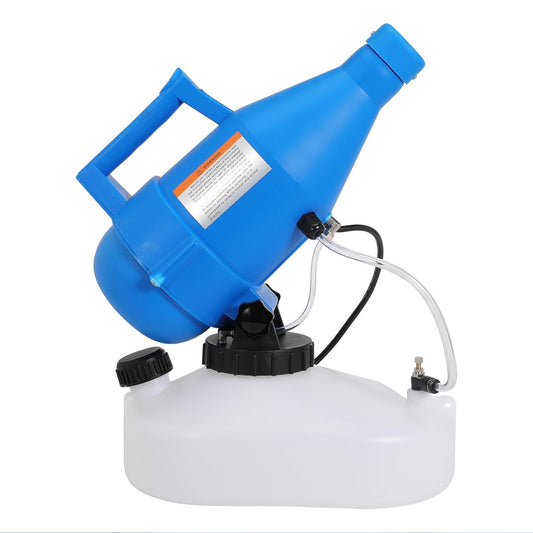
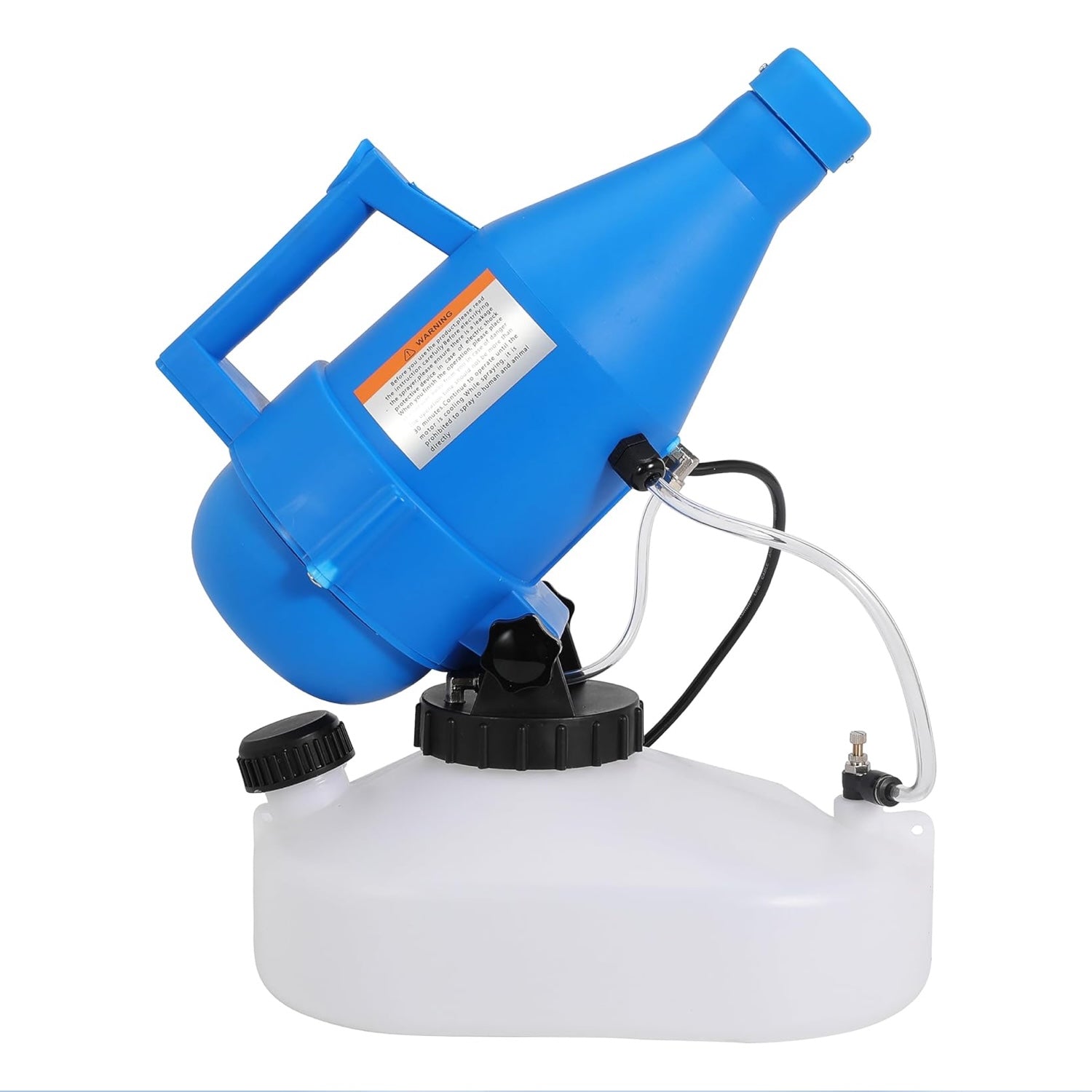
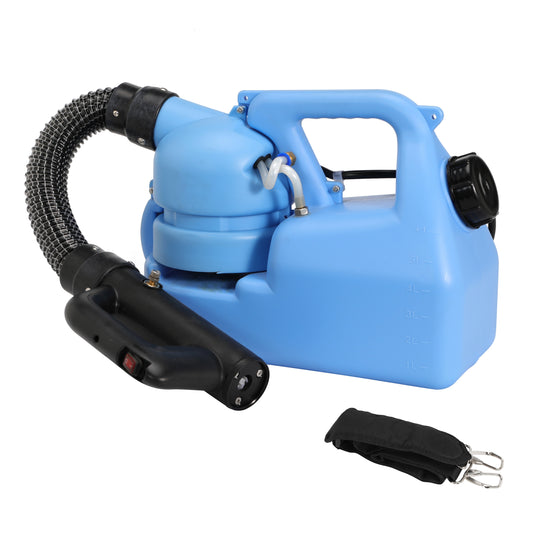
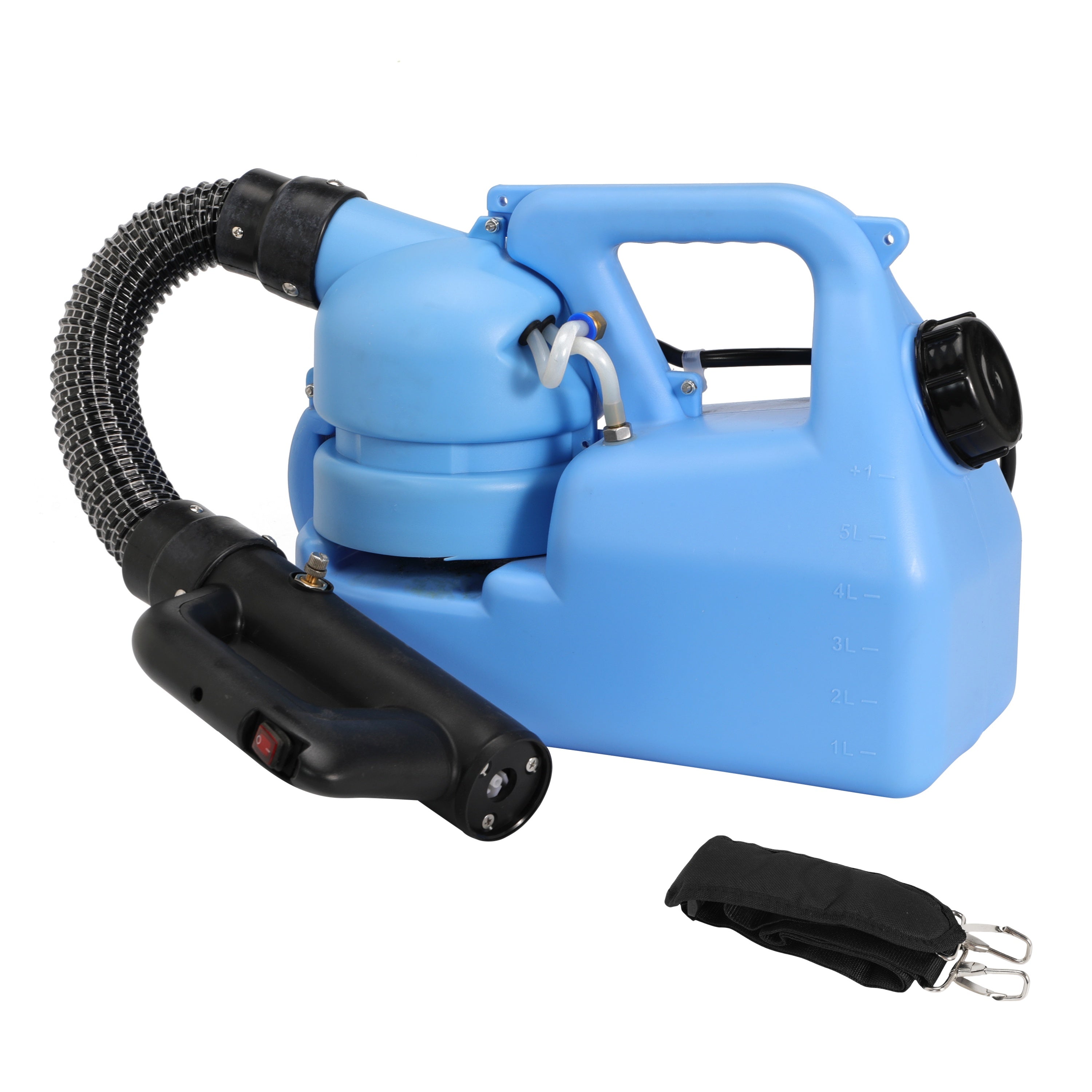
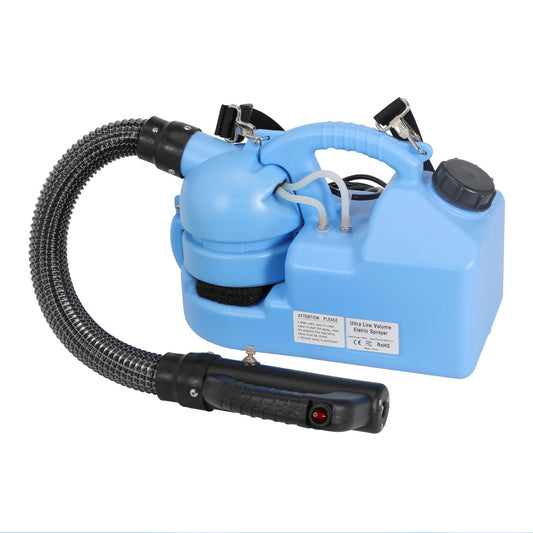
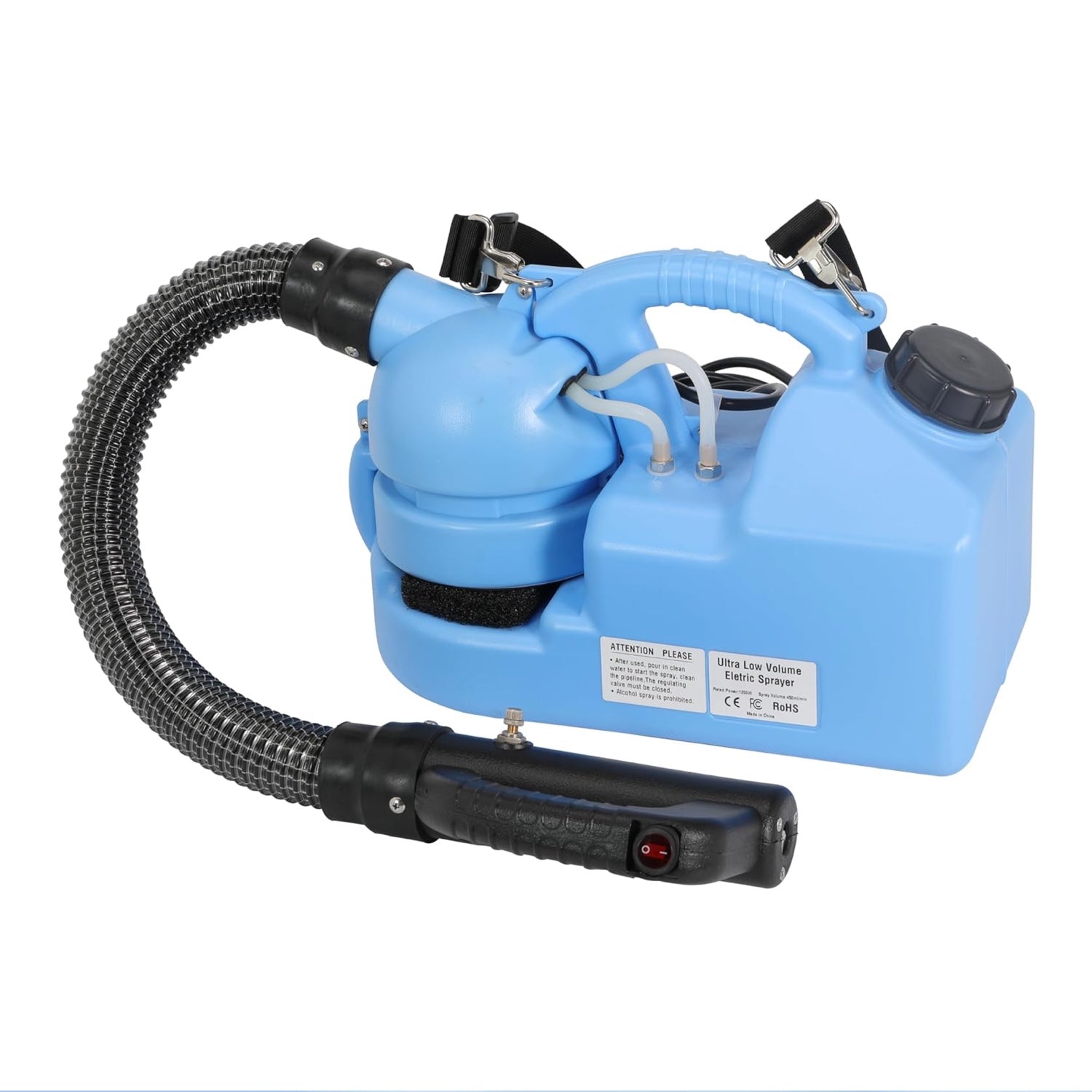
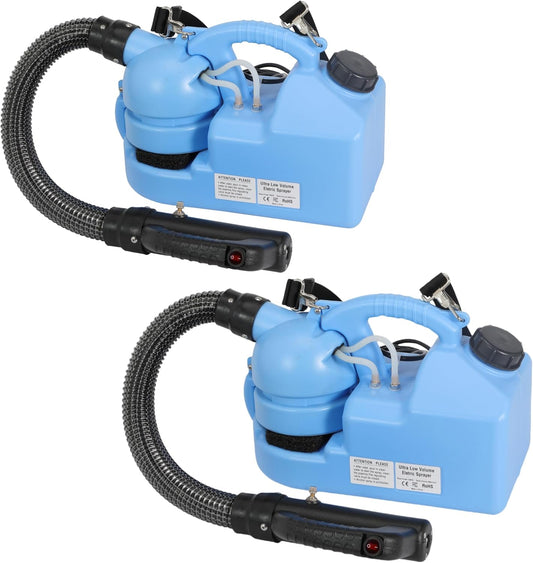
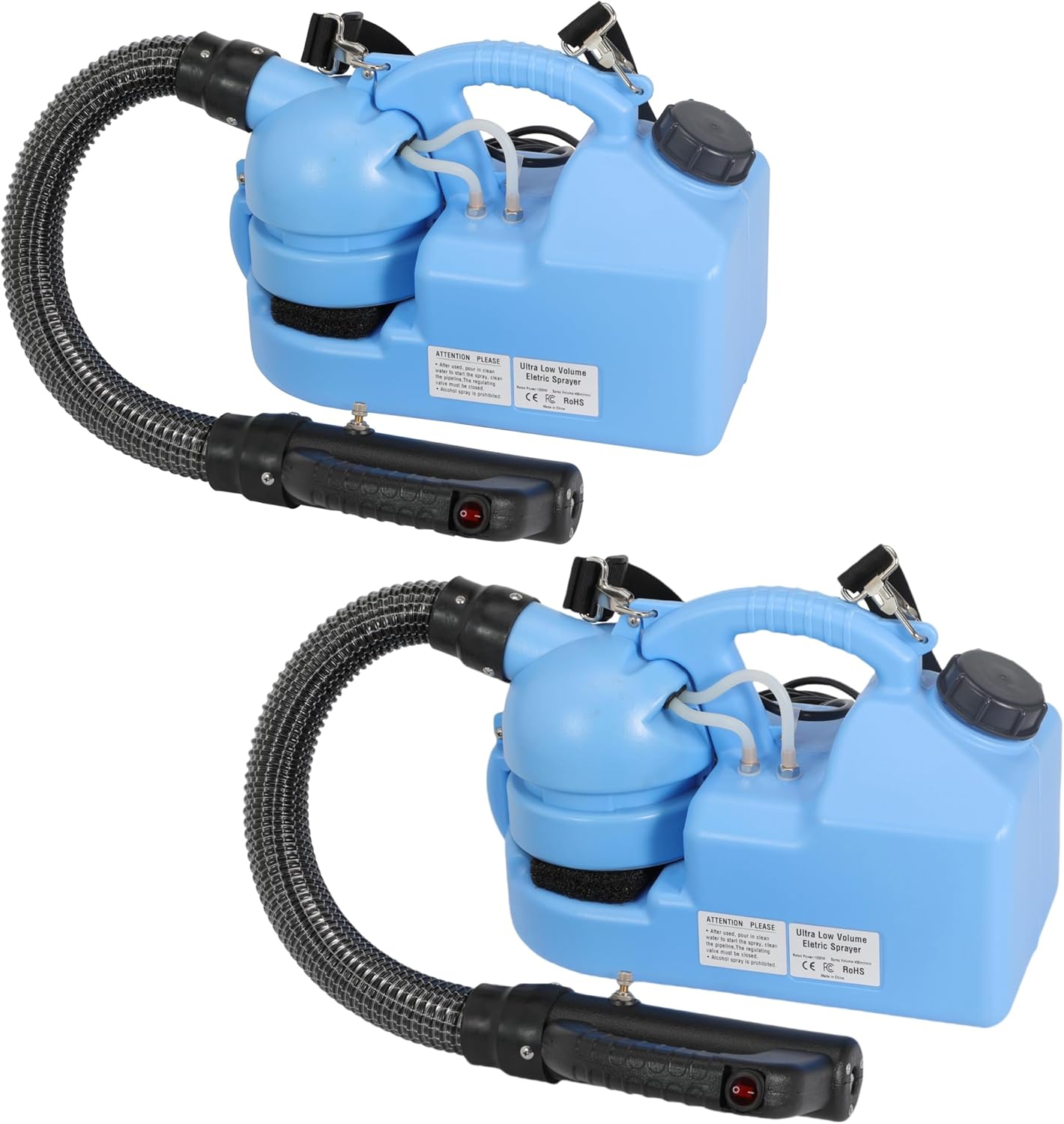
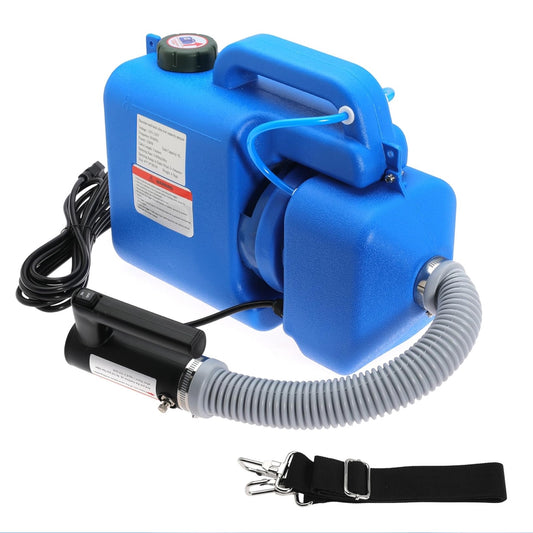
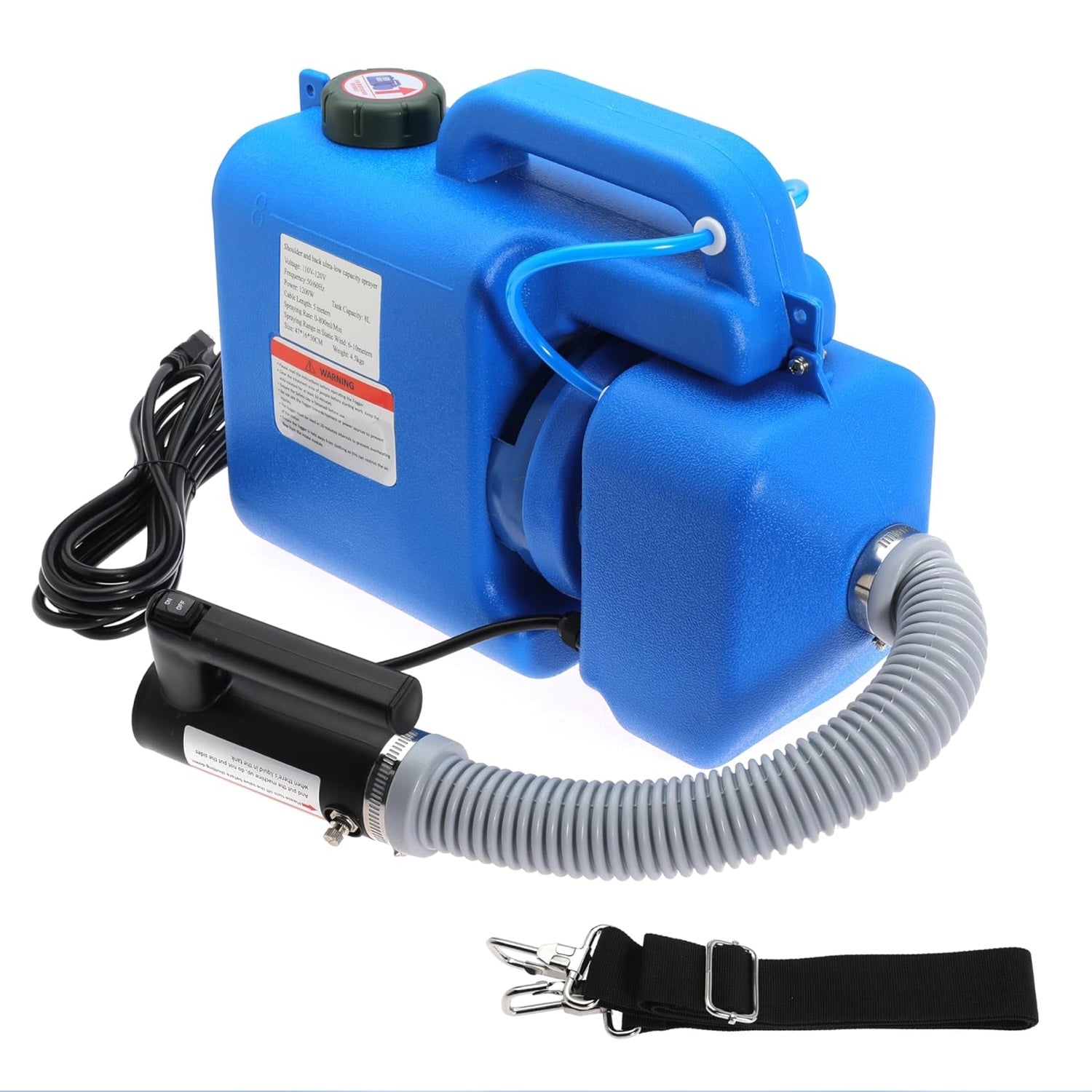
ULV fogger means Ultra-Low Volume. It uses air pressure for fine droplets 5-50 microns. It disperses chemicals with cold mist. It suits indoor and outdoor.
A ULV fogger, or ultra-low-volume fogger, works without heat. There is no burning or vaporizing involved. The machine uses strong airflow to break liquid into fine droplets and push them out into space. Because heat is not part of the process, this method is often called cold fogging in everyday use.

Most ULV foggers operate within a droplet range of about 5 to 30 microns. That range is not random. It affects how the fog behaves after release.
In practical terms:
- Droplets that are too large fall quickly and leave moisture behind
- Droplets that are too small float longer than intended and become hard to control
- Mid-range droplets spread, pause in the air, then settle evenly.
This balance is what makes ULV fogging reliable indoors.
ULV foggers are widely used in indoor environments because the operator has control over how the fog moves. Output can be adjusted, spray direction can be managed, and coverage can be matched to the room.
This matters in places such as:
- Hospitals and clinics
- Offices and commercial buildings
- Hotels and schools
- Warehouses and residential spaces
ULV foggers can be used outdoors, but wind and open airflow reduce their effectiveness. Indoors, where air movement is limited, they perform far more consistently.
I used ULV in my office. Fine mist reached everywhere. No residue. Droplets hang longer than the spray.
Better penetration cracks. Electric models are quiet. Battery on the mobile. Water-based chemicals are common. Less waste. I saved on disinfectant. The table shows specs.
Feature |
Detail |
Benefit |
|---|---|---|
Droplet Size |
5-50 microns |
Even coverage |
Method |
Cold air pressure |
Safe no heat |
Volume |
Low |
Saves chemical |
Use |
Indoor/outdoor |
Versatile |
ULV changed my indoor treatments. Easy control.
What Is a Thermal Fogger?
Bugs fly thick outdoors. Mist needs to reach far. I needed visible coverage in my yard.
A thermal fogger uses heat. It vaporizes liquid into smoke-like fog. Droplets 0.5-30 microns. Behavior is visible and dense. Applications focus on outdoors.

A thermal fogger works using heat rather than airflow. Inside the machine, the liquid solution is heated until it turns into vapor. When that hot vapor exits the nozzle and meets cooler air, it instantly becomes a thick fog.
The droplets produced by thermal foggers are extremely fine, often close to 0.5 microns. Because of their size, they behave very differently from ULV fog.
In real use, thermal fog droplets:
- Stay suspended in the air for long periods
- Travel far from the point of release.
- Drift easily through vegetation and open areas.
This is why thermal fogging is commonly used outdoors.
- One of the most noticeable features of a thermal fogger is visibility. The fog is dense and easy to see. Operators can watch it move through trees, bushes, and open ground, which gives a clear sense of coverage.
- That same setup, however, introduces limits. The heat, fuel, and exhaust involved make thermal foggers unsuitable for enclosed spaces. Ventilation concerns and safety risks restrict their use to outdoor environments only.
I fogged my property with thermal. Visible fog showed coverage. Droplets smaller than ULV often. Deeper reach bushes. Oil-based common. Quick results. But heat limits indoor. Fire risk.
The table compares.
Thermal perfect for my yard pests.
ULV vs Thermal Fogger: Side-by-Side Comparison
Confused choices waste money. I bought the wrong one first. Learned differences. Now it is time to move beyond technical definitions and look at how thermal fogging vs ULV fogging actually perform in real conditions.
ULV uses less chemical, is safe indoors. Thermal penetrates better outdoors, visible. Comparison covers droplets, efficiency, effectiveness, safety, and use.

Droplet Size and Coverage
ULV foggers release droplets that behave in a controlled and predictable way. Indoors, the mist spreads evenly across the space and settles without soaking surfaces or lingering excessively.
Thermal foggers release much finer droplets. Outdoors, this allows the fog to drift across large areas. Indoors, the same fine mist becomes challenging to manage and tends to overstay in the air.
Chemical Usage and Efficiency
ULV fogging is generally more efficient with chemical use. Because output is controlled, operators can match applications to the size of the space.
Typical advantages include:
- Lower chemical consumption
- Reduced waste
- More consistent results from job to job
Thermal fogging depends on higher volumes of solution to maintain a visible fog cloud. Outdoors, this is expected, but it increases long-term operating costs.
Indoor vs Outdoor Effectiveness
ULV foggers are commonly used indoors for tasks such as sanitization, disinfection, and odor control. Their strength lies in accuracy and power, which is essential in occupied or sensitive spaces.
Thermal foggers are designed for outdoor conditions, including:
- Large yards and gardens
- Farms and agricultural land
- Parks and open commercial properties
This difference is often described as cold fogging vs thermal fogging, where control fits indoor work, and distance fits outdoor work.
For indoor disinfection or mold control, cold foggers are generally the superior choice due to safety and efficiency. If you've decided this is the right path for you, check out our curated list of the ULV fogger machines to find a model that fits your budget.
Safety and Health Considerations
ULV fogging produces a lighter mist with lower visibility. When applied correctly and with ventilation, exposure risks are easier to manage.
Thermal foggers involve additional hazards due to:
- High operating temperatures
- Fuel combustion
- Exhaust gases
These factors increase the risk of burns, fire, and breathing irritation, especially in enclosed areas.
Noise, Portability, and Ease of Use
ULV foggers are typically quieter and easier to handle. Many models are electric and lightweight, making them suitable for routine indoor use.
Thermal foggers are louder and often fuel-powered. They require more setup time and constant attention during operation.
The Comparison Table
Here is a quick comparison of ULV fogging vs thermal fogging.
Feature |
ULV Fogger |
Thermal Fogger |
|---|---|---|
Fogging Method |
Air pressure, no heat |
Heat vaporization |
Droplet Size |
5–30 microns |
0.5–10 microns |
Fog Visibility |
Low |
Very high |
Chemical Usage |
Low and controlled |
High |
Indoor Use |
Suitable |
Not recommended |
Outdoor Reach |
Limited |
Extensive |
Safety Level |
Higher control |
Heat and fire risks |
I compared both. ULV my indoor go-to. Thermal outdoor.
Pros and Cons of ULV Foggers
Indoor jobs need safety. I wanted minimal residue.
Pros: Precise control, ideal indoor, minimal residue. Cons: Less heavy outdoor, needs calibration.
Pros
- An accurate application ensures even chemical distribution with minimal wastage.
- Suitable for indoor use due to controlled and precise mist output.
- Low surface residue reduces cleanup and protects treated surfaces.
Cons
- Limited outdoor reach reduces effectiveness in open or windy areas.
- Requires correct calibration to maintain consistent and reliable performance.
I love ULV pros. Disinfect the home easily. Less cleanup.
Pros |
Cons |
|---|---|
Safe for indoor use |
Less effective for heavy outdoor applications |
Low chemical usage |
Requires proper calibration |
Minimal residue |
Susceptible to wind drift |
The pros outweigh for my uses.
Pros and Cons of Thermal Foggers
Outdoor pests need knockdown. I wanted visible results.
Pros: Visual large areas, effective mosquito, fast knockdown. Cons: High usage, not indoor, fire risks.

Pros
- Strong outdoor coverage spreads fog efficiently across wide open areas.
- Effective against mosquitoes by penetrating dense vegetation and hiding spots.
- Quick knockdown in open areas delivers fast, visible pest control results.
Cons
- High chemical use increases operating cost and environmental exposure.
- Unsafe indoors due to heavy fog and reduced ventilation control.
- Heat-related risks include fire hazards and operator safety concerns.
I used thermal yard. Bugs dropped fast. But careful fire.
Pros |
Cons |
|---|---|
Visible penetration |
High chemical usage |
Fast outdoor coverage |
Not suitable for indoor use |
Strong knockdown effect |
Fire risk due to heat |
Good for outdoor jobs.
ULV Fogging vs Thermal Fogging: Cost Comparison
Equipment adds up. I tracked expenses.
Initial ULV $200-800. Thermal similar $300-1000. Long-term ULV saves chemical. Maintenance thermal fuel.

ULV foggers typically have a moderate upfront cost, averaging $75–$300, depending on size and features. High-end professional models may range between $375–$500. They remain economical over time because they:
- Use significantly less chemical per treatment
- Operate on electricity instead of fuel
- Require minimal maintenance
This makes ULV foggers ideal for frequent indoor use in offices, hospitals, clinics, and homes.
Thermal foggers generally cost more to purchase and operate. Small models start around $60–$150, while commercial-grade units can exceed $600. Ongoing expenses include:
- Fuel consumption
- Higher chemical use
- More frequent servicing due to heat and moving parts
They are better for outdoor applications, but become costlier with repeated use.
Cost Type |
ULV |
Thermal |
|---|---|---|
Initial |
$200–800 |
$300–1000 |
Chemical |
Low |
Higher |
Operating |
Electric |
Fuel |
Choice depends on space, frequency, and the balance between indoor precision and outdoor coverage.
ULV Fogger or Thermal Fogger: Which One Should You Choose?
Decision matters. I picked wrong once.
Choose based on application, environment, budget, and safety.
Thermal fogging vs ULV fogging, the right choice depends on the treatment environment. For indoor spaces where precision, control, and consistency are essential, ULV foggers are the most practical solution.
In contrast, large outdoor areas with heavy insect activity benefit more from thermal foggers due to their extended reach. Safety standards and long-term operating costs should always be considered before making a final decision.
Recommendation: Indoor ULV. Outdoor thermal. Both hybrid.
FAQs
Are thermal foggers safe indoors?
No. Heat and exhaust make them unsuitable for enclosed spaces. The fog becomes hard to control, ventilation is limited, and safety risks increase quickly inside buildings.
How long does fog stay in the air?
ULV fog settles faster, which helps indoors. Thermal fog lingers much longer outdoors, especially in still air, allowing it to travel and spread further.
Do thermal foggers leave more residue?
Yes, mainly because they use higher chemical volumes. Over time, this can lead to more buildup on surfaces, mostly when used repeatedly in the same area.
What chemicals can be used?
Only products approved for the specific fogger type should be used. Using the wrong formulation can reduce effectiveness and create safety or equipment problems.
Which fogger works best for mosquitoes?
Thermal foggers are more effective outdoors. Their fine droplets travel farther and move through vegetation, reaching mosquitoes that are difficult to target with other methods.
Cold or thermal fogger, which is better?
Cold fogging suits indoor use where control matters. Thermal fogging suits outdoor pest control where distance, coverage, and penetration are more important than precision.
Cold Fogging vs Thermal Fogging Final Recommendation
ULV foggers and thermal foggers are designed for different conditions.
ULV is safe and efficient indoors. Thermal powerful outdoor. Choose ULV disinfection, thermal mosquitoes. I recommend based on your main use.
ULV fogging focuses on control, efficiency, and safety in indoor spaces. Ready to get started immediately? You can simply visit our ULV fogger shop to browse our full inventory of equipment and compatible solutions.
Thermal fogging focuses on reach and penetration in outdoor environments. When deciding between ULV vs thermal fogger, results come from matching the method to the environment rather than relying on how dense or visible the fog appears.
So, the better choice is usually the one that fits the space you are treating, not the one that looks more powerful while it is running.


