
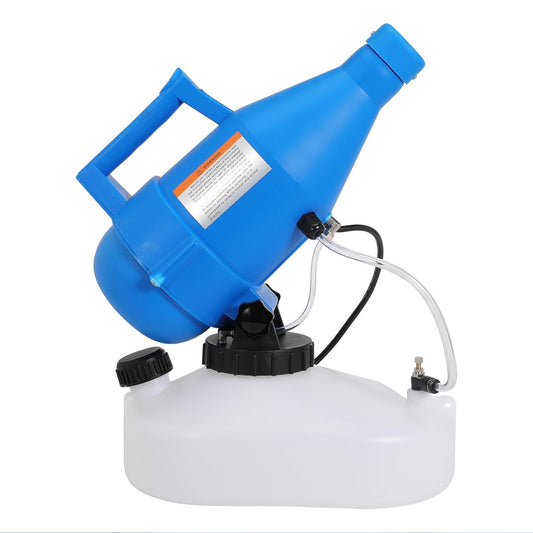
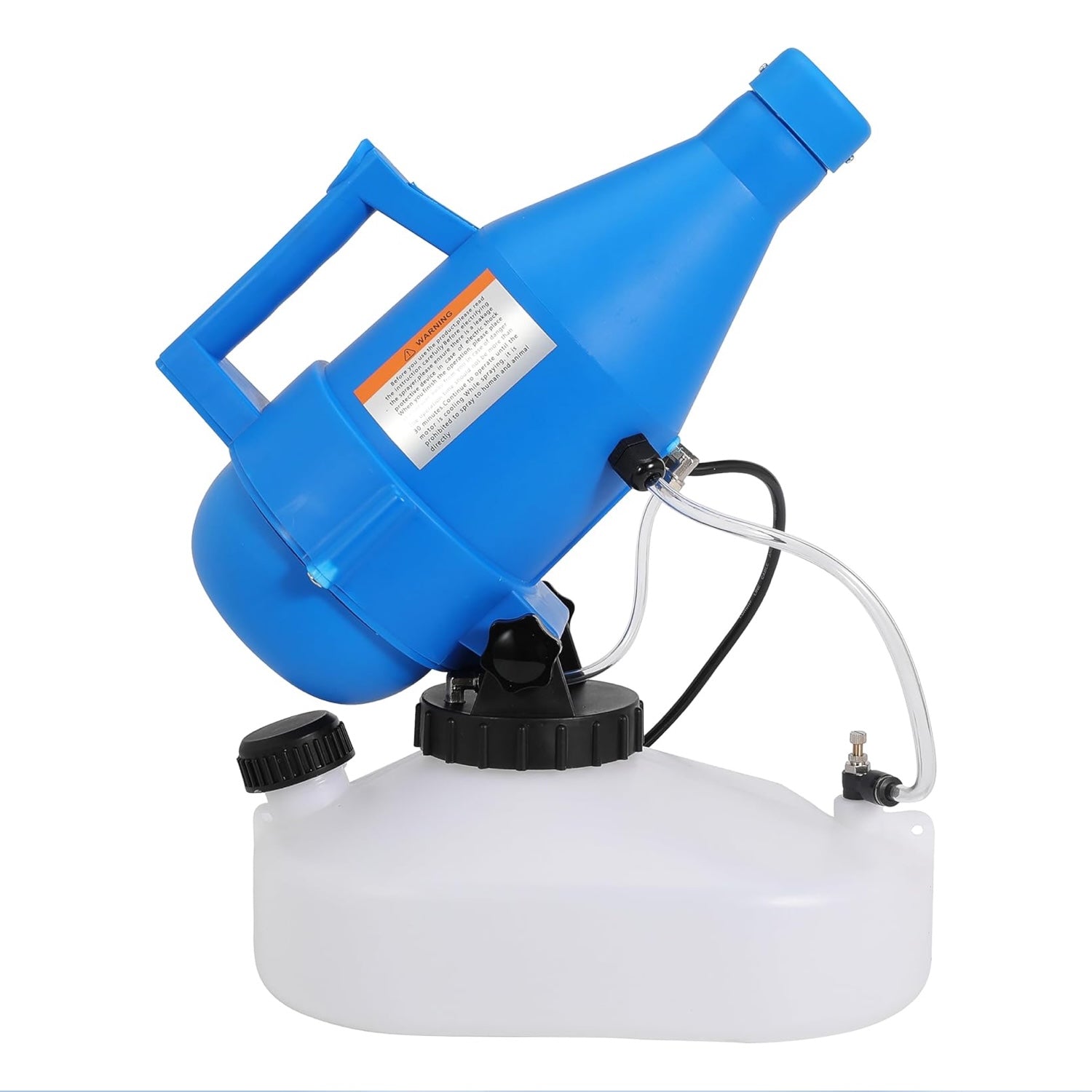
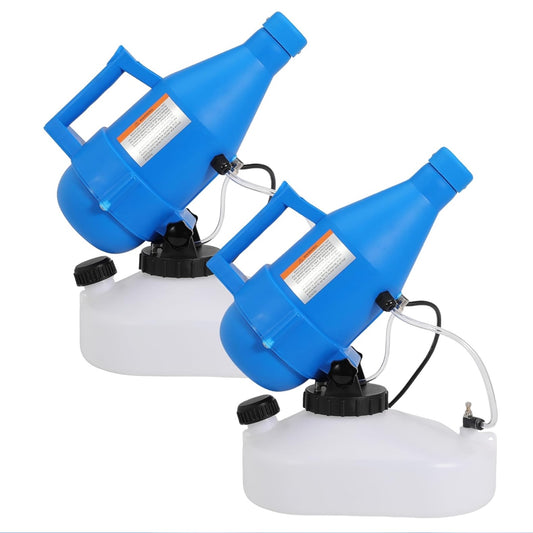
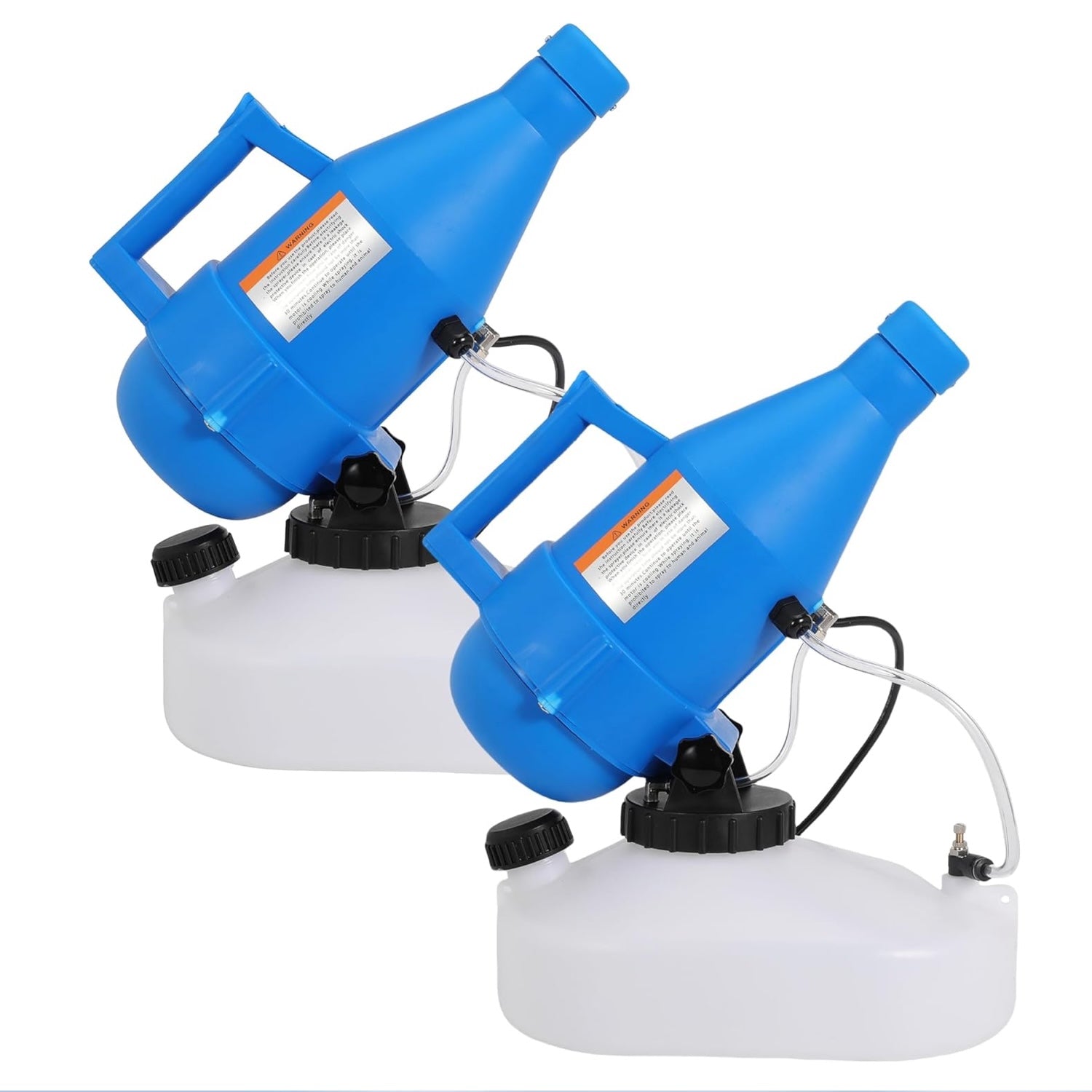
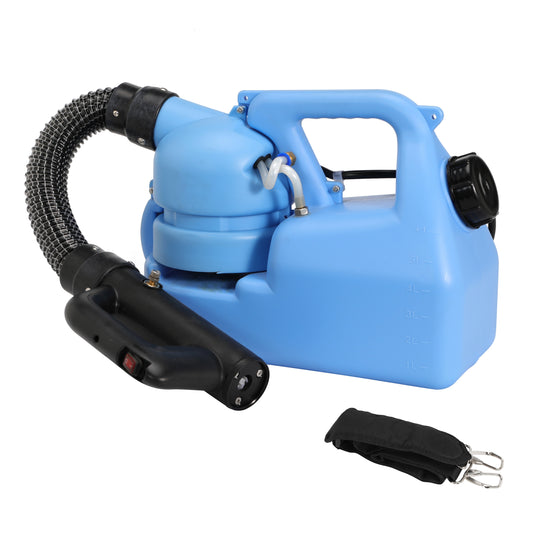
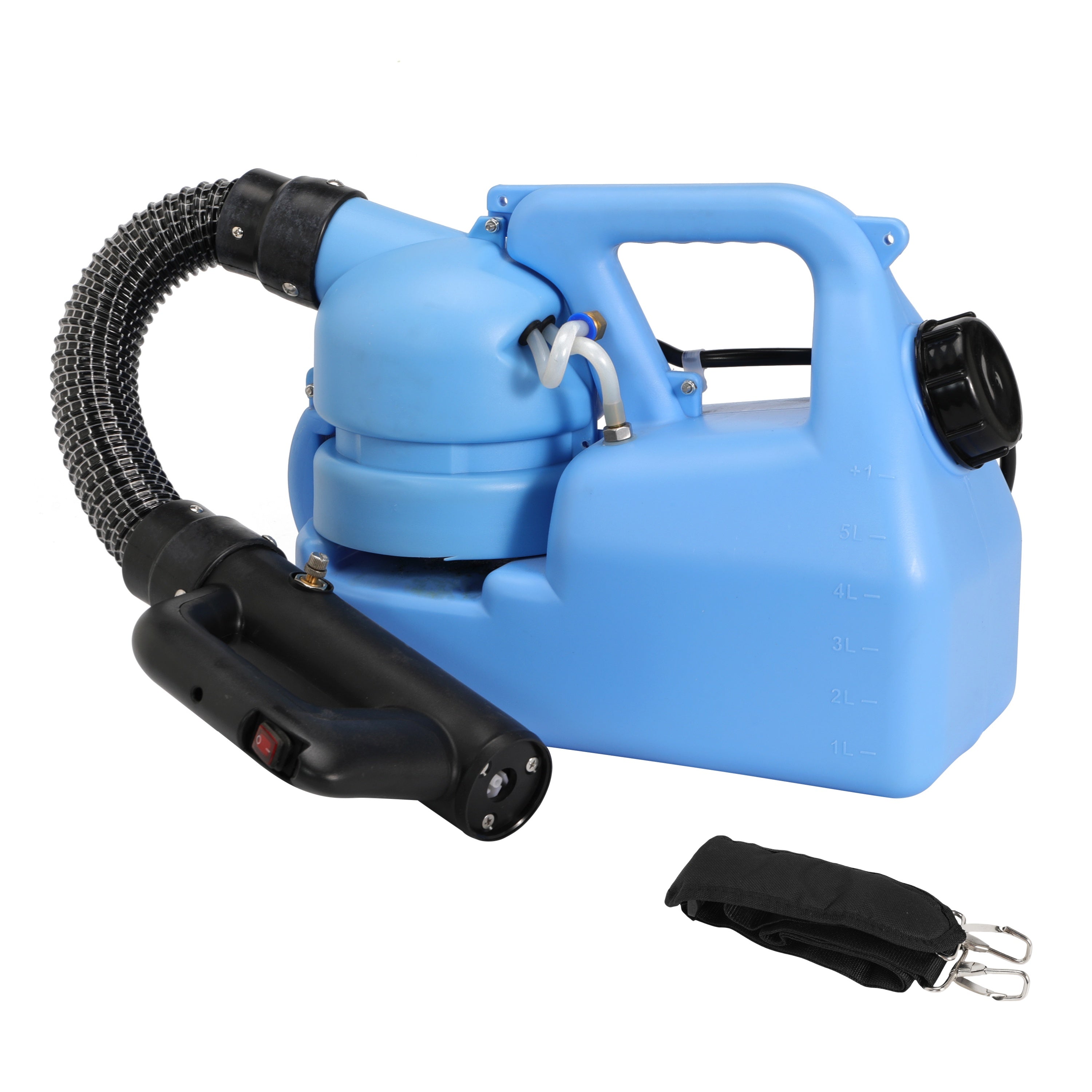
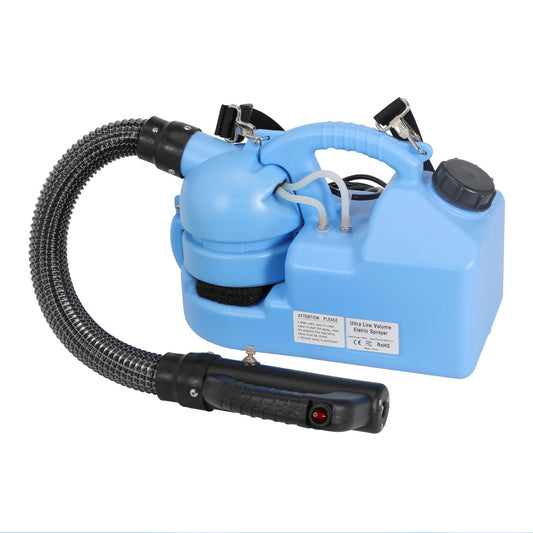
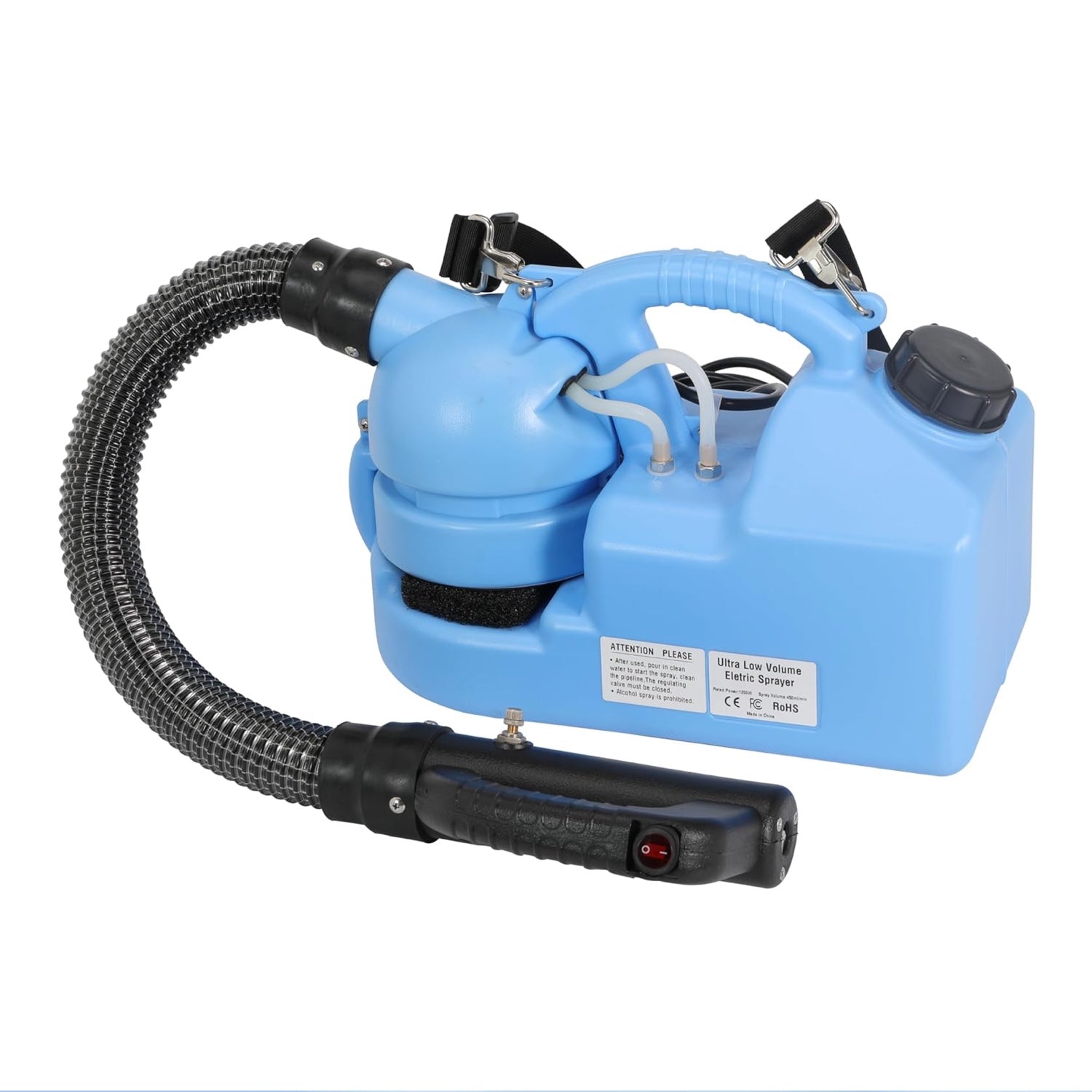
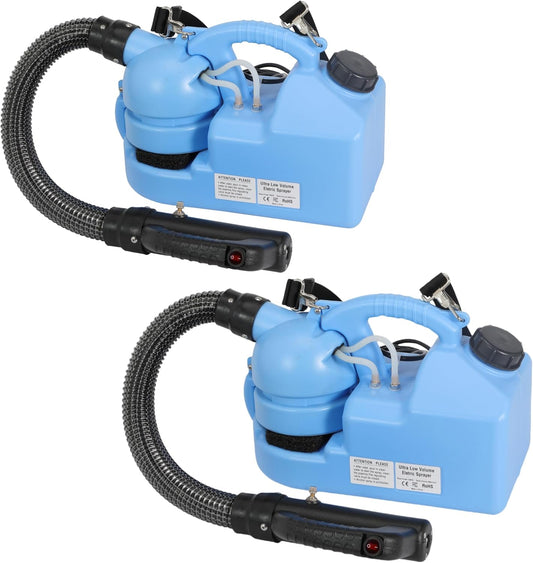
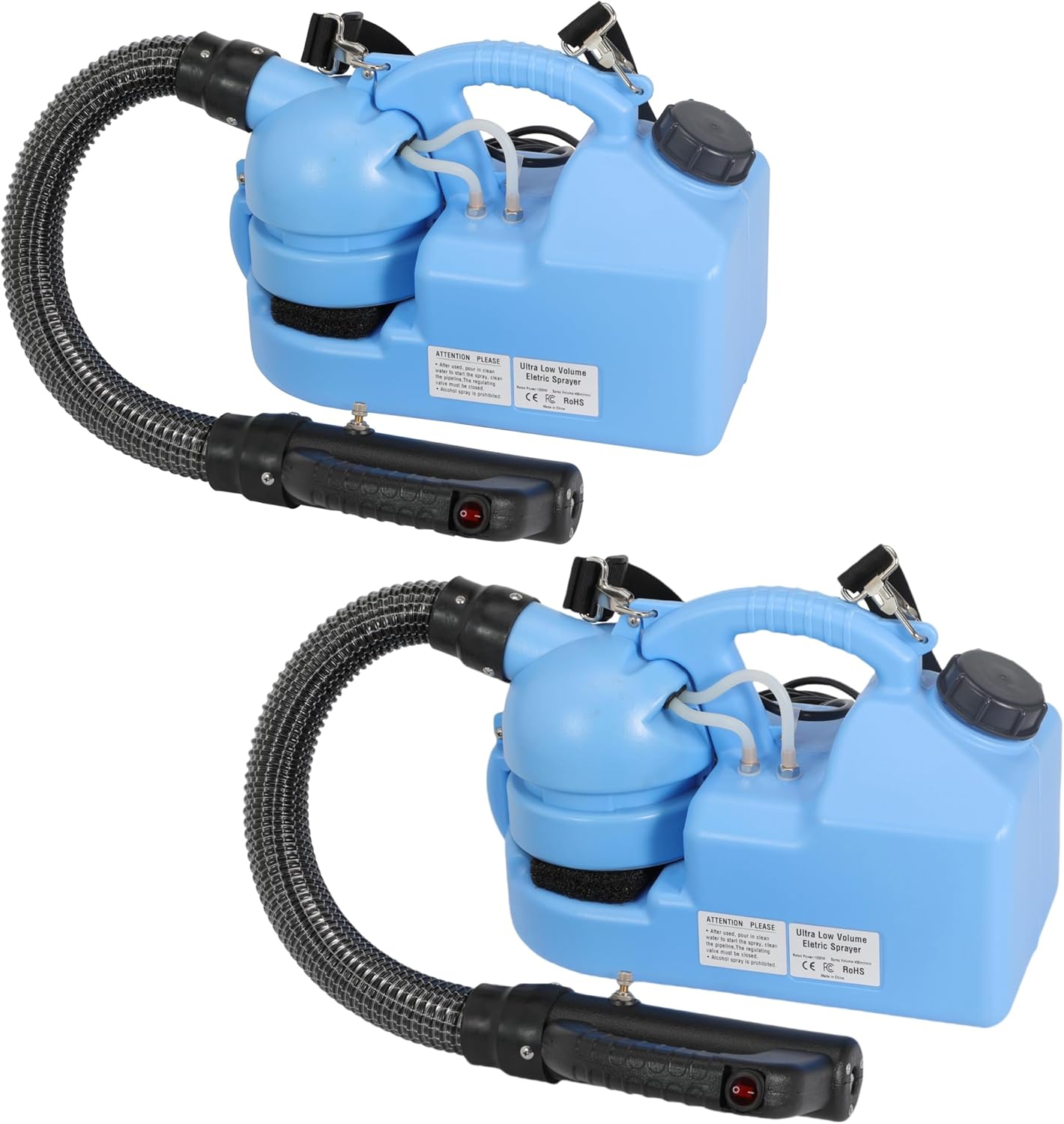
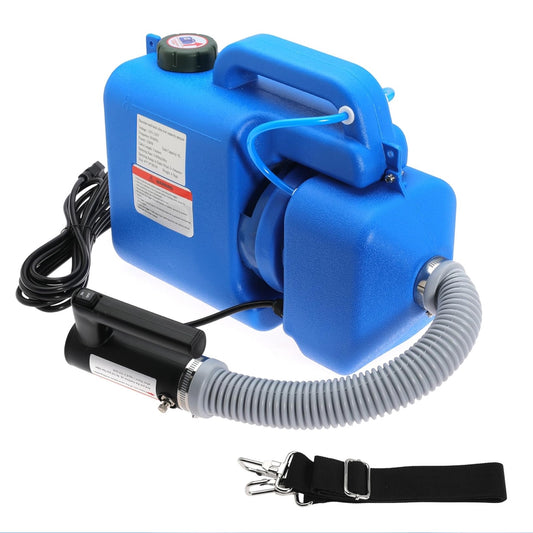
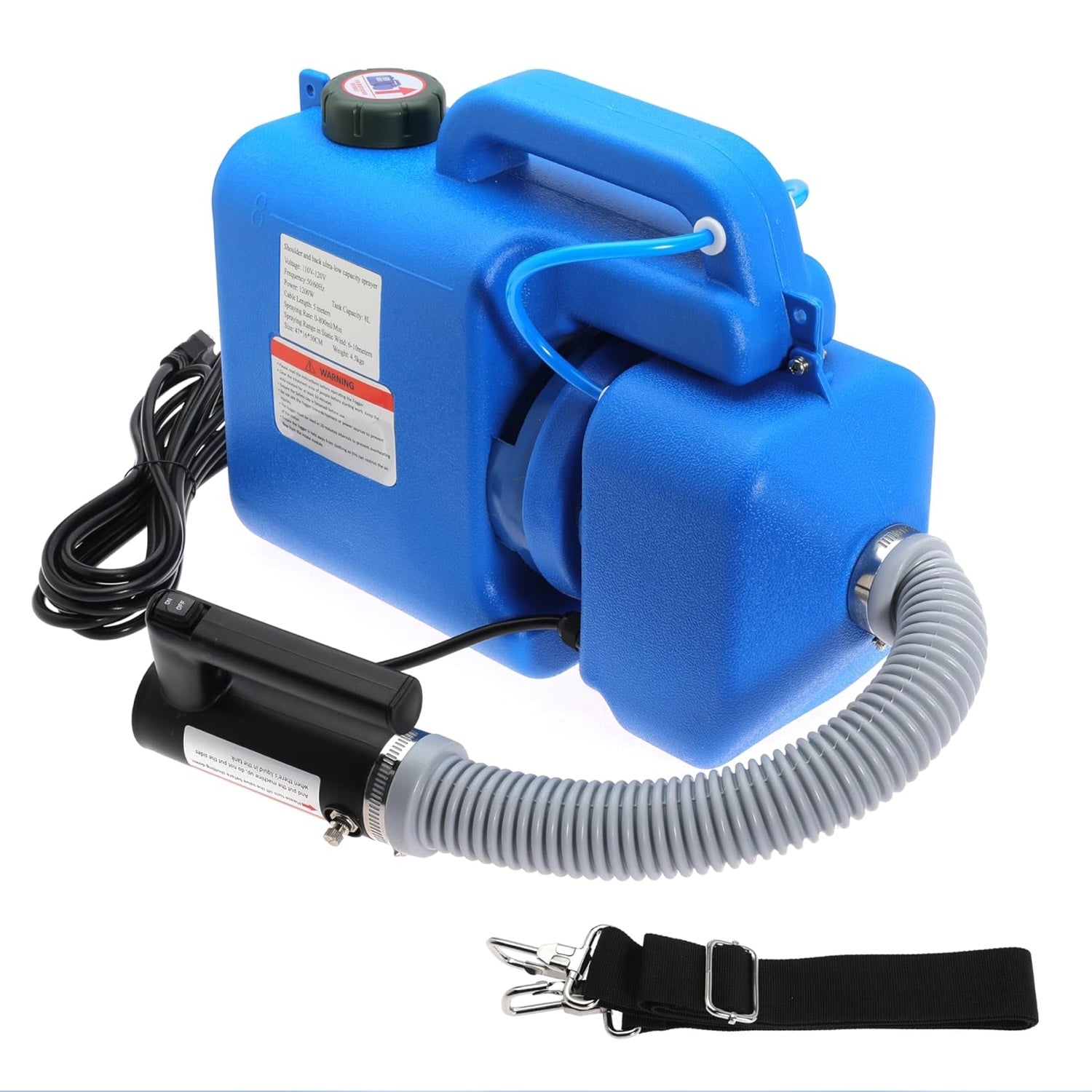


Do pests or germs keep coming back? Bad fogger use wastes time and risks health. Many people assume the process is simple and skip proper technique. Learning how to use a fogging machine improves coverage, safety, and overall results.
Use a ULV fogger by wearing PPE, preparing the area, mixing chemicals right, fogging from far to near, waiting for dwell time, and cleaning the machine. This ensures even coverage and kills targets without harm.
When you apply a fogging machine with control and planning, disinfectants and pest control products perform as intended. This is a guide on how to use a ULV fogger with step-by-step instructions in order to make it safe and effective.
It can be used by any home user, commercial cleaning, pest control, and disinfection teams interested in regular and stable results. Let's go through each part to help you master this tool.
Table of Contents
- Before You Start: Preparation and Safety Requirements
- ULV Fogger Setup Machine and Chemical Preparation
- How to Use a ULV Fogger Properly
- After Cold Fogging Post Application Steps and Re-Entry
- Cold Fogger Machines Cleaning and Maintenance
- Common Cold Fogging Machine Mistakes to Avoid
- FAQs
- Summary: Best Practices for Effective ULV Fogging
Before You Start: Preparation and Safety Requirements
Preparation affects how well cold fogging works. Rushing this part often causes problems later. A few careful steps at the start make the process safer and more effective. We help you set up safely from the start.
Get ready by putting on PPE like masks and gloves, clearing people and pets from the area, and sealing doors and windows. Turn off fans and HVAC to keep fog in place.

Personal Protective Equipment
Cold foggers release fine mist that stays in the air. This mist can enter the lungs or settle on the skin without protection.
Before you start, wear:
- Chemical-resistant gloves
- Eye protection that seals around the eyes
- A mask or respirator approved for the product being used
Check the fit before turning the machine on. Poorly fitted gear reduces protection and increases exposure.
Once, we skipped goggles on a job and got eye irritation that lasted days. Now, we check the gear before every use. Pick items that fit well and meet safety standards.
Preparing the Area
Clear the space before fogging begins. Remove people, pets, and plants. Take out exposed food and food containers. Cover electronics, documents, and sensitive surfaces with plastic.
This step prevents moisture damage and chemical residue. A prepared space allows the cold fogger machine to work effectively.
Mist can damage screens or leaves. Move furniture if needed for full access. This step stops accidents and lets fog reach all spots.
Sealing and Controlling Airflow
Close all doors and windows. Turn off fans, air conditioners, and ventilation systems. Air movement pulls fog away from target areas. Sealing the space allows droplets to stay suspended and settle evenly.
Tape gaps if air leaks in old buildings. Good sealing means better coverage and less waste. We find that in big rooms, this can cut chemical use by half. Check the weather too; fog on calm days outdoors.
PPE Item |
Why Use It |
Example |
|---|---|---|
Respirator |
Blocks inhaled droplets |
N95 or better |
Goggles |
Protects eyes from mist |
Sealed safety glasses |
Gloves |
Shields skin from chemicals |
Nitrile or rubber |
These steps build a safe base. With prep done, you avoid common issues like uneven fog or health risks. We have seen jobs fail without this, so take time here for the best outcomes.
ULV Fogger Setup Machine and Chemical Preparation
Confused by setup? Wrong mix or leaks can ruin your fogging. A correct setup protects both the fogger and the treated area. Now, let us focus on the equipment. We guide you to prepare your machine right for top performance.
Set up by choosing and mixing solutions per labels, filling the tank with a funnel, and adjusting the droplet size to 10-50 microns for the best hang time.

Choosing and Mixing the Right Solution
Always read the chemical label before mixing. Follow dilution ratios exactly. Use a measuring cup. Guessing leads to poor results or surface damage. Understanding how a fogger machine works helps explain why accuracy matters at this stage.
Too strong can harm surfaces, too weak misses targets. For pests, pick insecticides; for germs, use disinfectants. We once mixed wrong and had to redo a whole room, wasting hours. Stir well to blend.
Filling the ULV Fogger Correctly
Pour the mixed solution slowly into the tank. Use a filter funnel to prevent debris from entering the system. Secure the tank cap tightly. Check for leaks before operation. A sealed system maintains proper pressure.
Wipe spills right away. This keeps the machine clean and ready.

Adjusting Droplet Size and Flow Rate
Most applications require droplets between ten and fifty microns. Smaller droplets remain airborne longer. Larger droplets fall faster. Adjust the flow rate carefully to avoid excess moisture. This step defines how you use your ULV fogger in real environments.
Test on paper to see the droplet pattern. Small size works for air treatment, larger for surfaces. We adjust based on room size; big areas need finer mist.
Micron Range |
Use For |
Hang Time |
|---|---|---|
10–20 |
Indoor disinfection |
Long |
20–30 |
Pest control |
Medium |
30–50 |
Outdoor applications |
Short |
Setup matters because it affects how well fog spreads. With the right mix and settings, you get even application without waste.
We test setups on small jobs first to learn machine quirks. This way, you save time and get better results every time.
How to Use a ULV Fogger Properly
Unsure about the fogging technique? Poor method leads to spots missed or too much fog. Application technique determines results. We show you the steps to apply evenly indoors and out.
Fog properly by starting the machine safely, using the farthest-to-exit path indoors, checking the wind outdoors, and watching for over-application signs.
Correct operation determines how effective and safe the fogging process will be. Small adjustments in movement, angle, and flow rate create noticeable differences. Careful handling during this stage improves coverage and reduces chemical waste.

Starting the Machine
Before fogging begins, confirm that the unit is ready to operate.
- Check the power source before switching the unit on
- For corded foggers, confirm the outlet is grounded, and the cable shows no damage
- For battery-powered units, ensure the battery is fully charged and properly seated
After powering on the unit, perform a short test spray in a controlled area. This confirms even fog output and allows final flow rate adjustments before full application.
Indoor ULV Fogging Technique
Indoor fogging requires a planned movement path to achieve even coverage.
- Begin at the point farthest from the exit
- Move steadily toward the door to avoid walking through the fog
- Hold the nozzle upward at a 30 to 35 degree angle
- Maintain a consistent walking pace to allow proper dispersion
The goal is uniform coverage across the airspace and surfaces. Rushing this step leads to missed zones and excess moisture.
Outdoor ULV Fogging Technique
Outdoor fogging depends heavily on environmental conditions.
- Check wind conditions before starting
- Ideal airflow ranges between 2 and 5 mph
- Stand upwind and direct fog away from your position
- Avoid fogging during strong or gusty winds
These steps help prevent drift back toward the operator and uneven application across the treatment area.
How to Avoid Over-Application
Over-application increases surface moisture and reduces effectiveness.
Watch for these signs during operation:
- Visible pooling on floors or other surfaces
- Liquid runoff along walls or furniture
- Fog that appears overly dense or wet
If any of these signs appear, reduce the flow rate immediately. Adjusting output in real time helps droplets remain suspended instead of settling too quickly. Controlled application produces better results and protects treated surfaces.
Technique |
Key Tip |
Benefit |
|---|---|---|
Indoor path |
Farthest to exit |
Safe exit |
Nozzle angle |
30–45 degrees |
Even spread |
Movement speed |
Slow walk |
Full coverage |
Good use means mist reaches everywhere without excess. We build habits like testing and adjusting to make jobs smooth. With practice, you spot issues fast and get pro results.
After Cold Fogging Post Application Steps and Re-Entry
What's next after fogging? Rushing back in risks exposure. Post fogging steps are essential for safety. We explain wait times and ventilation for safe return.
After fogging, wait 30-60 minutes for contact, then ventilate well before re-entry without PPE.

Required Contact and Dwell Time
Leave the area sealed for the time listed on the chemical label. This is usually thirty to sixty minutes. Contact time allows droplets to work effectively. Rushing this step reduces results.
Ventilation and Safe Re Entry
After using a ULV fogger, proper ventilation is essential. Once the dwell time is complete, open doors and windows and allow fresh air to circulate for at least 15 minutes.
Do not re-enter the space without PPE until the area is fully ventilated. Following this step ensures safe use and prevents exposure to lingering solution.
Step |
Time |
Why |
|---|---|---|
Dwell |
30–60 min |
Kills targets |
Ventilate |
30–60 min |
Clears air |
Re-entry |
After clear |
Safe use |
Post-steps are key for safety and results. Without dwell, treatment fails; poor ventilation risks health. We once cut the vent short and felt dizzy, so now we wait full time. This ensures space is ready and treatment lasts.
Cold Fogger Machines Cleaning and Maintenance
Ignore cleaning? Clogs and breakdowns follow. We share ways to keep your fogger working longer. Maintenance keeps the cold fogger reliable.
Clean by flushing with water or soap, store in a cool, dry place for best life.

Now, let us focus on care.
Flushing the System
After use, empty the remaining solution. Run clean water or a mild soap solution through the system. This prevents clogs and residue buildup.
Storage Best Practices
Keep your ULV fogger at a cool and dry temperature, without moisture or extreme temperatures. Proper storage will preserve performance and will also increase the life of the machine.
In the case of battery-powered or electric foggers, observe charging and storage patterns. Ensure the battery is not overcharged or emptied during long-term storage.
These ULV Mogger storage tips help you to have your machine in good readiness to be safely and effectively used whenever the need arises.
Maintenance Task |
How Often |
Method |
|---|---|---|
Flush system |
After each use |
Water or soap |
Check parts |
Monthly |
Inspect for wear |
Store properly |
Always |
Cool, dry area |
Cleaning keeps performance high and cuts repairs. Without it, nozzles block fast. We learned that after a clog ruined a day, cleaning is now routine. Good habits mean a reliable tool for all jobs.
Common Cold Fogging Machine Mistakes to Avoid
Making errors with ULV foggers? Many users repeat the same mistakes when learning how to use a fogging machine. They lead to weak results or dangers. We list the top mistakes and how to skip them.
Avoid by mixing right, setting the correct size, fogging empty spaces, and always cleaning after.
- Using incorrect chemical dilution
- Selecting the wrong droplet size
- Fogging spaces that are not sealed
- Fogging occupied areas
- Skipping protective equipment
- Ignoring dwell and ventilation times
- Failing to clean the machine after use
Understanding how fogging machines work helps prevent these issues.
Mistake |
Fix |
Risk if Ignored |
|---|---|---|
Wrong dilution |
Measure accurately |
Poor pest control or surface damage |
Bad droplet size |
Adjust per job requirements |
Uneven coverage and missed areas |
Occupied space |
Clear people and pets before fogging |
Health risks from chemical exposure |
No cleaning |
Flush system after every use |
Clogs, reduced output, and equipment failure |
Skip these for safe, strong fogging. We fixed our ways after early errors and now jobs go smoothly. Spot mistakes early to save trouble.
FAQs
What chemicals can be used with a ULV fogger?
Only chemicals that clearly state ULV or cold fogging use should be placed in a ULV fogger. If the label does not mention it, do not use it. People often damage machines by assuming compatibility.
Why does a ULV fogger motor overheat?
Overheating usually follows restricted airflow. Dried residue inside the nozzle is common. Thick mixtures also cause problems. Long run times without breaks add stress to the motor.
What are the signs a ULV fogger needs maintenance?
Performance changes first. Fog output drops. The mist looks uneven. Sounds change during operation. These signs usually appear before a failure.
What actually causes nozzle clogs?
Most clogs come from dried chemicals left inside the system. Filtering liquid before filling helps. Flushing the machine after use prevents most blockages. Ignoring cleanup makes clogs inevitable.
How do I prevent or fix a clogged ULV fogger nozzle?
Flush after use, use filters when filling. To fix, soak in soap water, and poke gently. We prevent with clean mixes.
Can ULV foggers be used with any pesticide or disinfectant?
No, only those labeled for ULV. The wrong ones damage the machine or fail. Read labels. We test small first.
How do I adjust the droplet size on a ULV fogger, and what's the significance of different settings?
Turn the nozzle knob; finer for hang, coarser for drop. Small size covers air well, large hits surfaces. Adjust for the job. We change based on space.
Summary: Best Practices for Effective ULV Fogging
Master ULV fogging with our steps for safe, strong results.
Successful fogging depends on how well each step is handled. Preparation keeps people safe. Proper setup protects the machine. Controlled application improves coverage. Careful cleanup prevents future problems.
- Equipment choice also matters. Reviewing the best ULV fogger for your space helps avoid underpowered or oversized machines.
- Comparing ULV vs thermal fogger systems can clarify which method fits indoor use, residue sensitivity, and coverage needs.
- Chemical selection should never be an afterthought, so checking chemical compatibility helps prevent damage, clogs, and ineffective treatment.
For professional guidance, reliable equipment, and application-specific solutions for ULV cold fogging, visit Zawey website.


