
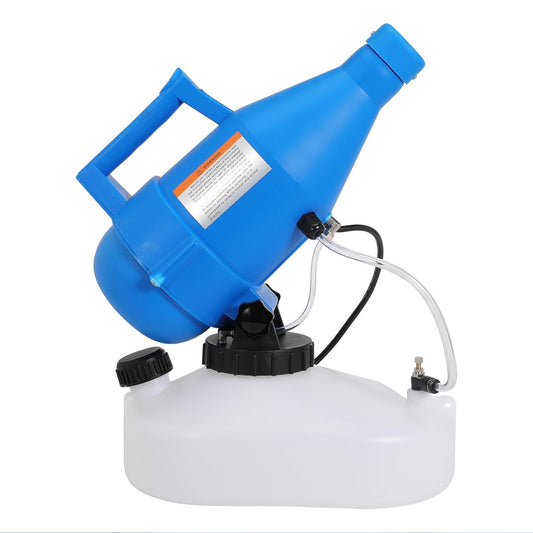
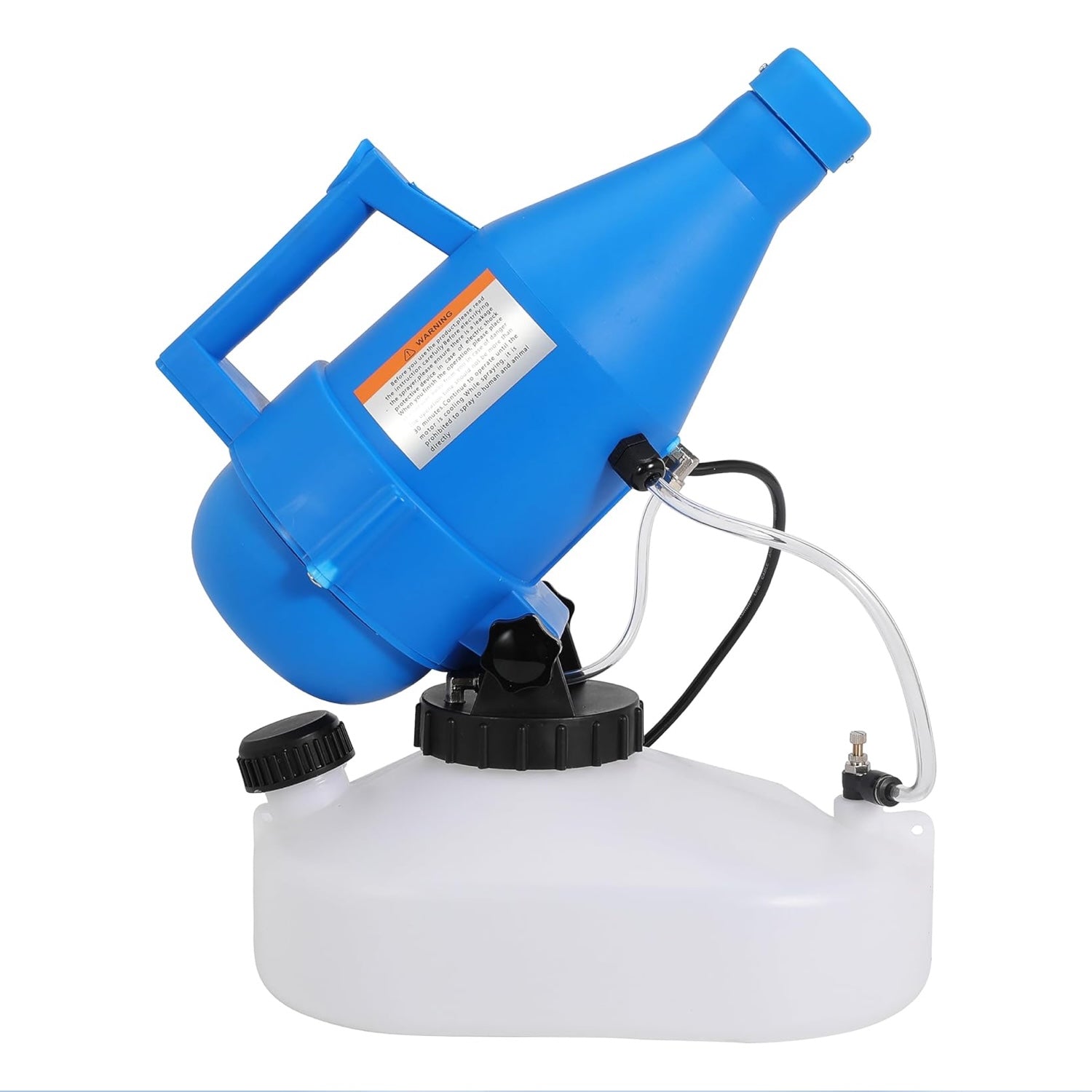
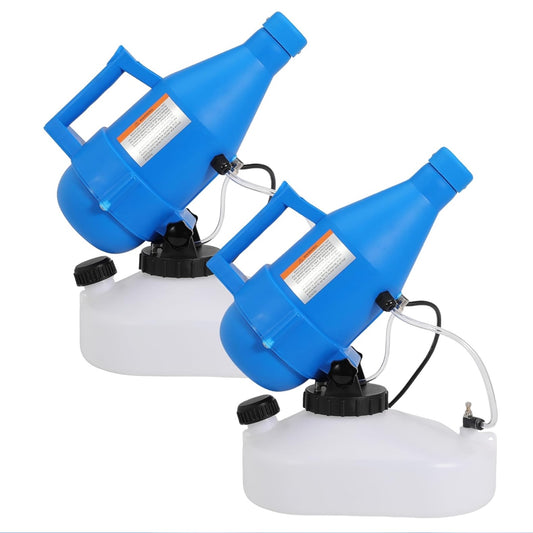
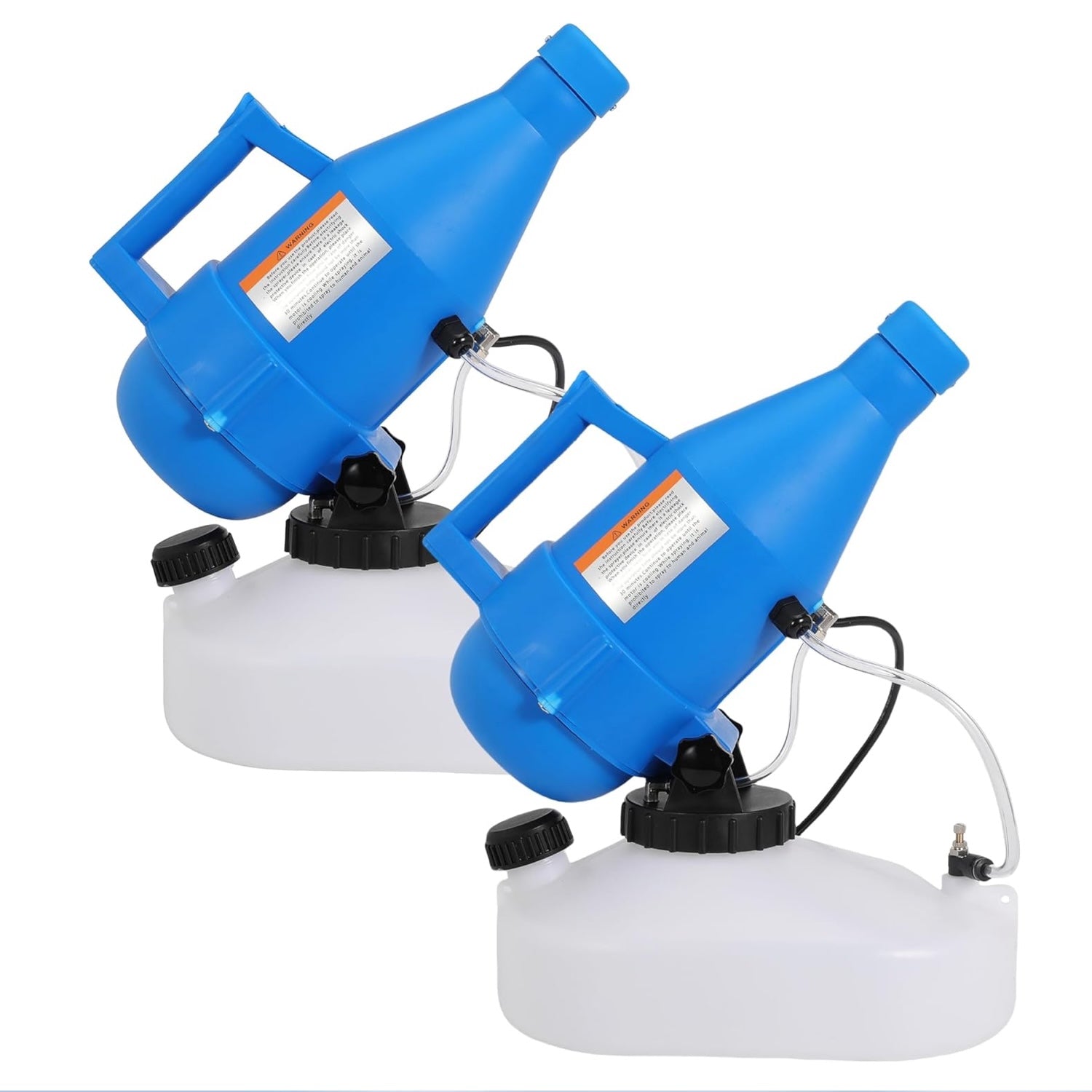
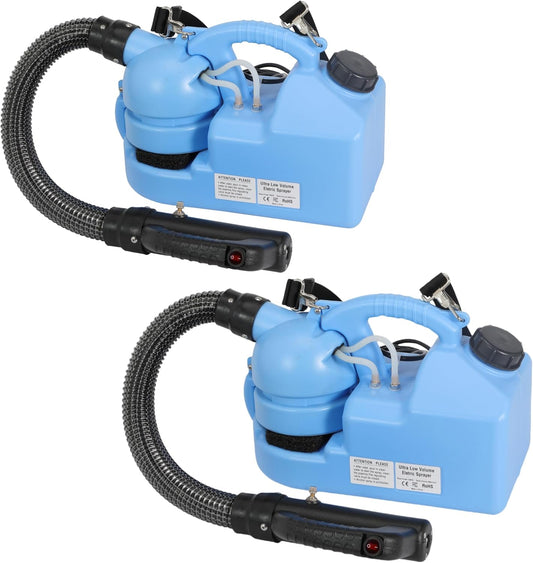
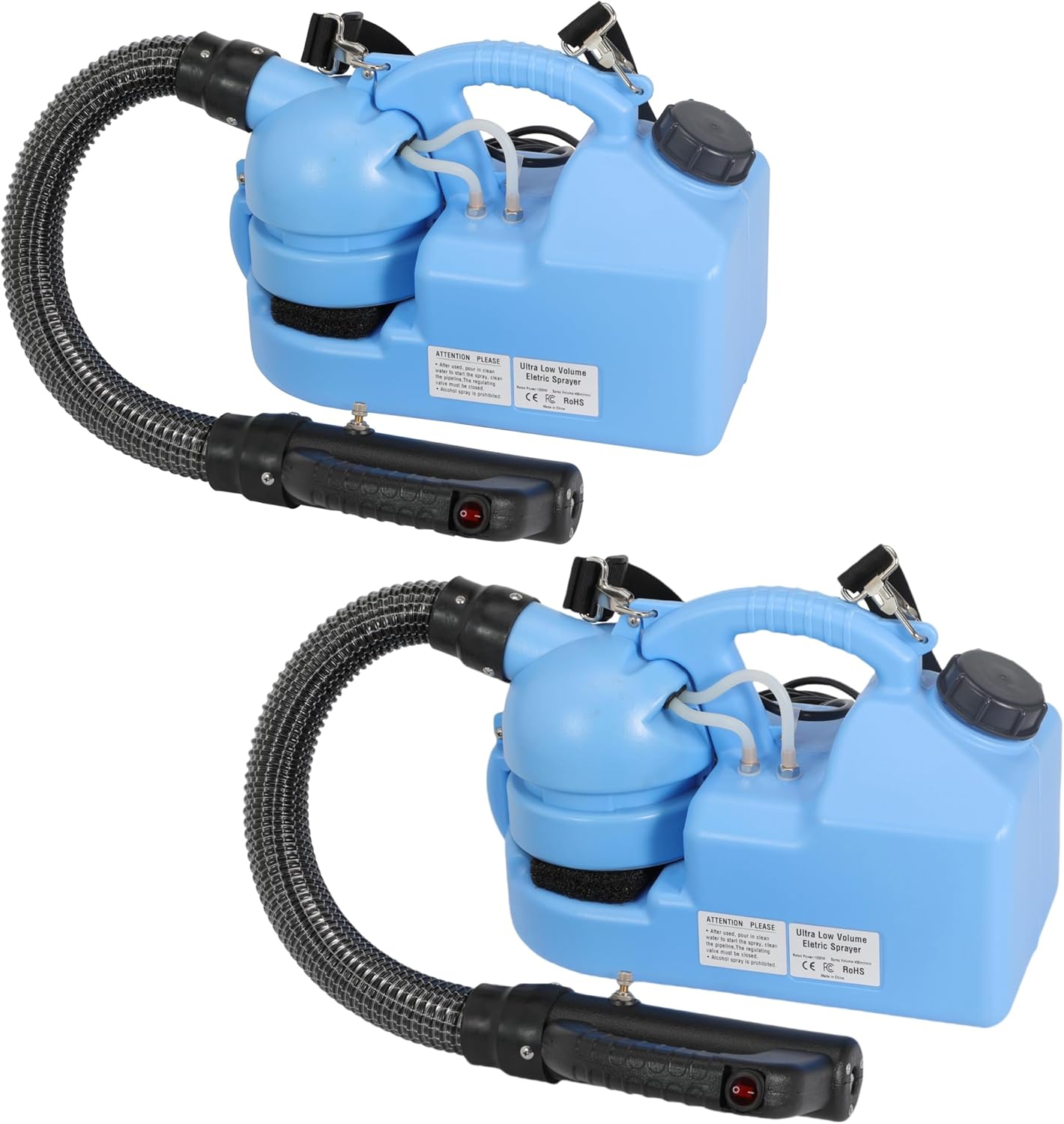
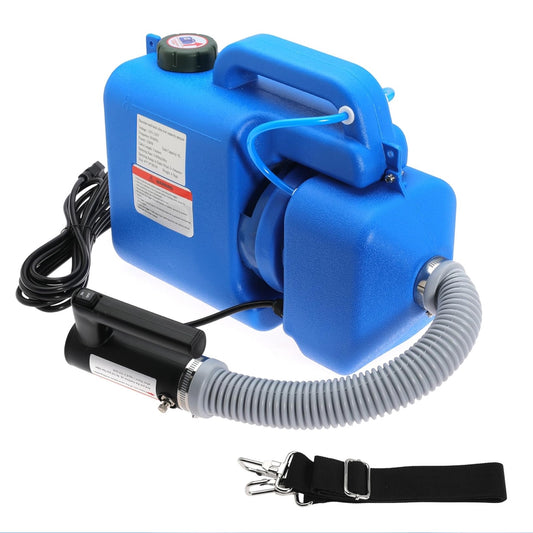
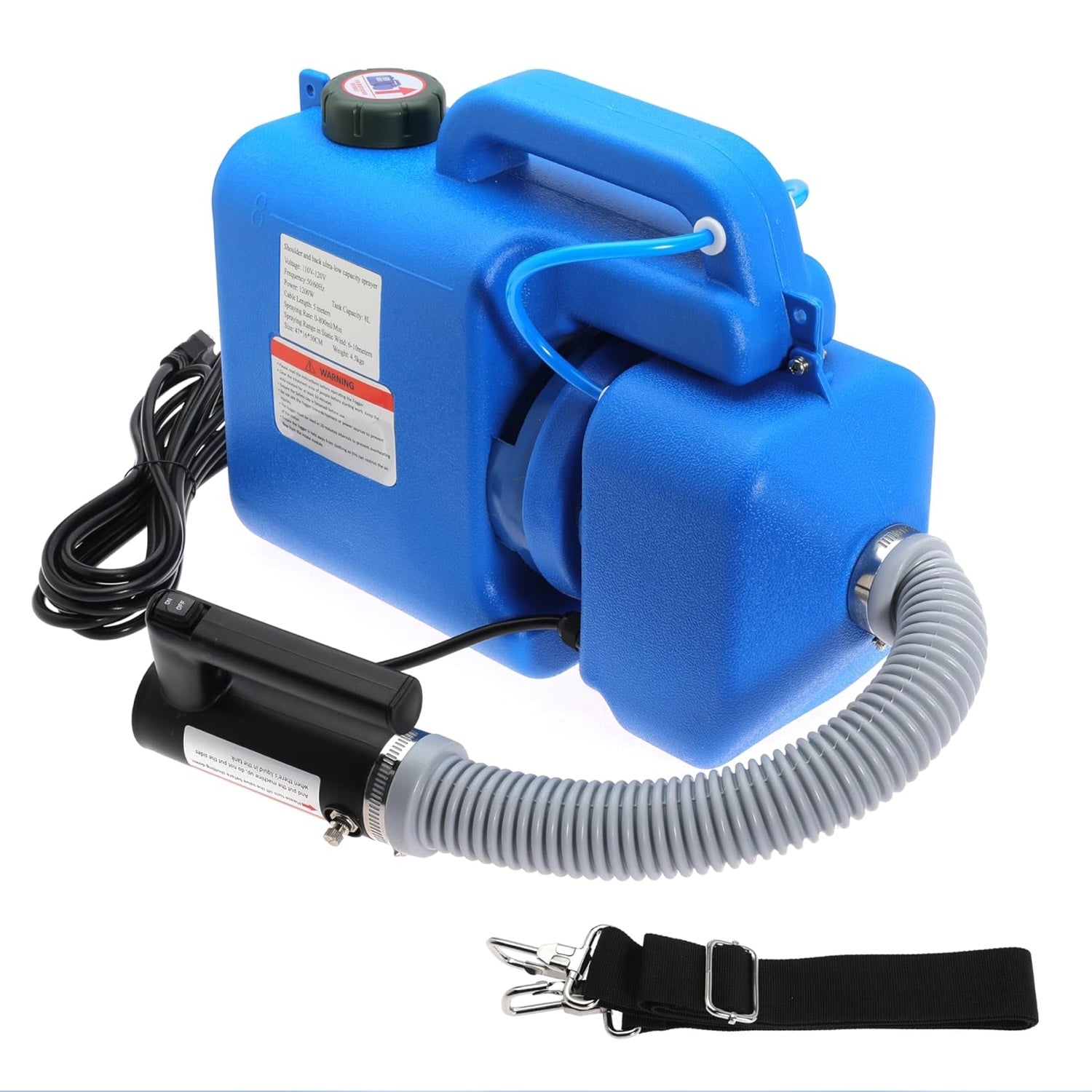


Tired of spotty disinfection that leaves germs behind? It wastes time and risks health. We show you how to pick between ULV foggers and electrostatic sprayers for better results.
Selecting the right disinfection tool is essential. ULV foggers and electrostatic sprayers both help clean and disinfect, but they work differently.
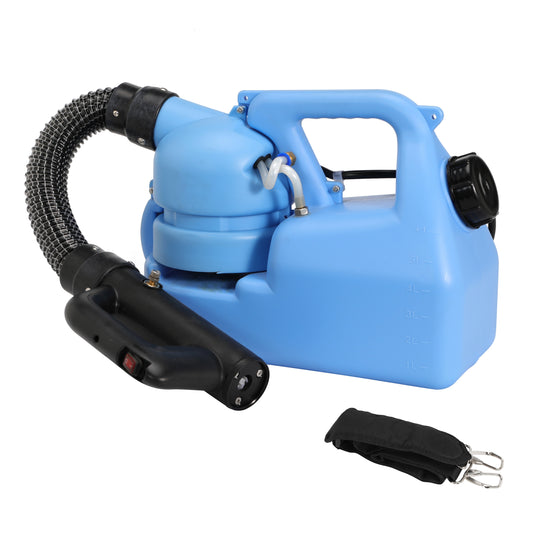
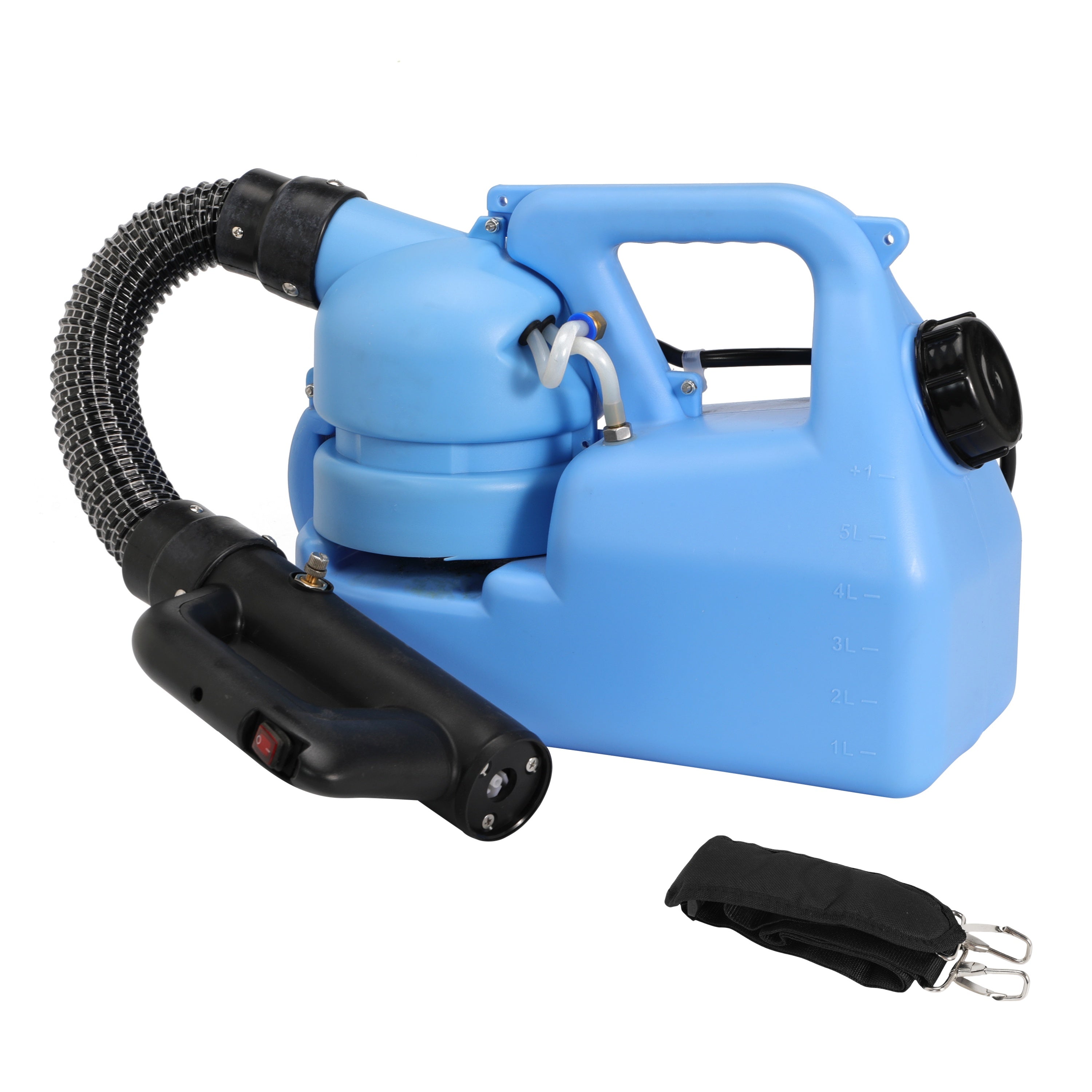
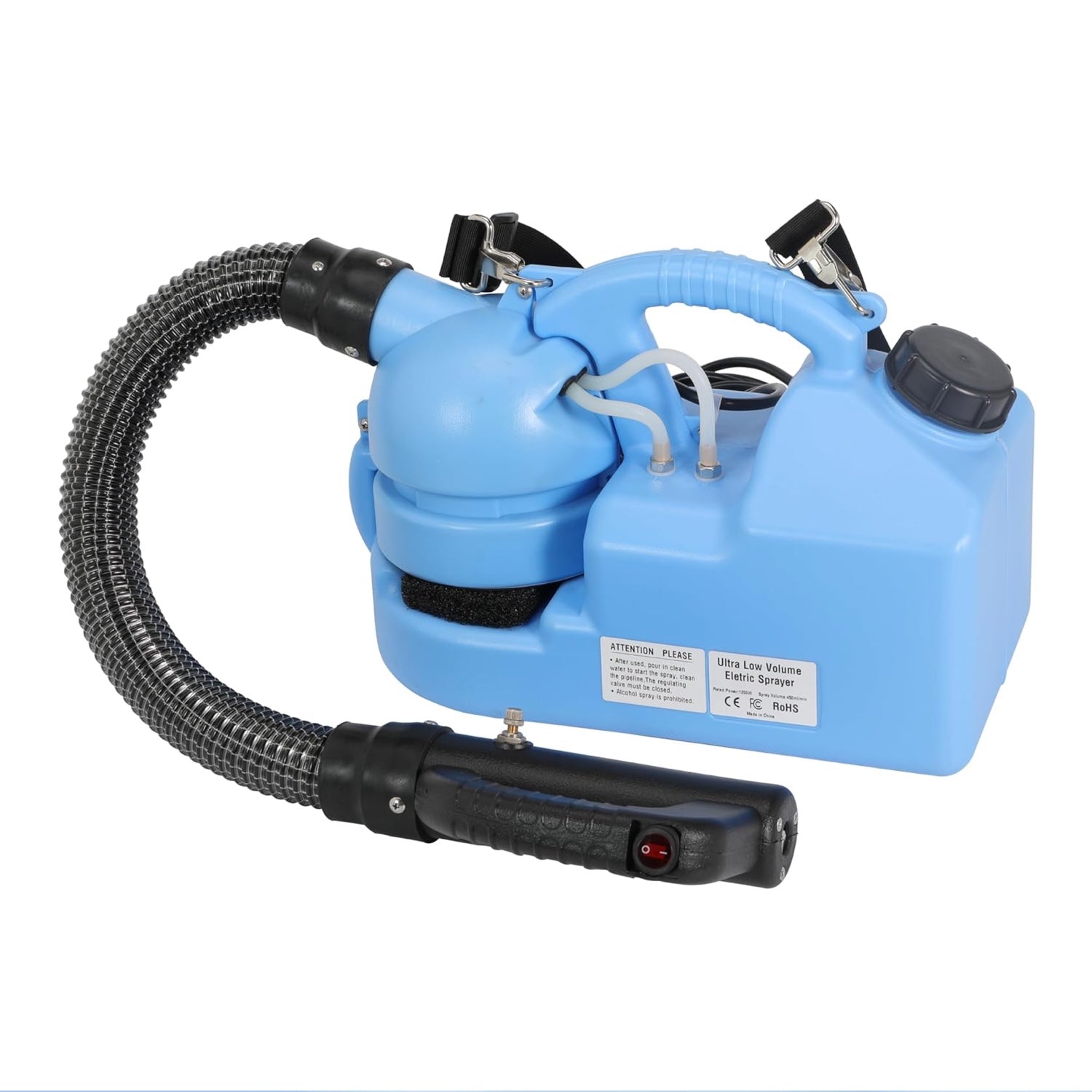
A ULV fogger fills a room with a fine mist that reaches airborne and hard-to-reach areas, while an electrostatic sprayer charges droplets so they stick evenly to surfaces. Each saves time and cuts waste, but matches different needs like warehouses or offices.
Understanding these differences helps you choose the best tool for your cleaning, pest control, or disinfection needs, ensuring practical usage and surface coverage.
These systems have earned a mixed reputation. Knowing the features helps with buying decisions and maintenance plans. The guide covers the working, benefits, drawbacks, cost, and complete comparison of ULV fogger vs electrostatic sprayer. So, do check it out!
Table of Contents
- How a ULV Fogger Works
- Pros and Cons of ULV Foggers
- How an Electrostatic Sprayer Works
- Pros and Cons of Electrostatic Sprayers
- Difference Between Electrostatic Sprayer and Fogger: Side-by-Side Comparison
- Fogging vs Electrostatic Spraying: Which Is Right?
- FAQs
- ULV Fogger vs Electrostatic Sprayer: What's Our Final Verdict?
How a ULV Fogger Works
Dealing with large rooms full of hidden germs? Wiping everything by hand takes hours. Understanding how a ULV fogger works helps users apply it correctly and safely for home use, commercial cleaning, pest control, or disinfection tasks.
The working of a ULV fogger machine is simple. We explain ULV foggers and why they speed things up.
ULV foggers make tiny droplets that hang in the air and settle on surfaces. They use low volume for quick, wide coverage against pathogens.
What ULV (Ultra-Low Volume) Means
ULV fogger breaks liquid disinfectant into tiny droplets between 5 and 50 microns, pushing them into the air. The fogger pushes these droplets out using airflow.
These then pass through the fog and stay suspended due to their lightweight. This passive dispersion reaches corners and high surfaces. Finally, landing on floors, walls, and objects.

How ULV Foggers Disinfect Air and Surfaces
Fog drifting around comes into contact with airborne pathogens. The suspended droplets float into the air to neutralize bacteria and viruses. It's effective to knock out the germs from the air.
Then the settled fog creates a thin disinfectant layer on the surfaces. However, it's not precise, especially if there's a lot of clutter, but it does cover a lot of ground in one shot.
Feature |
Description |
Benefit |
|---|---|---|
Droplet Size |
5–50 microns |
Allows droplets to float and settle evenly |
Airflow |
Blower pushes mist forward |
Covers distances up to 60 meters |
Dispersion |
Passive settling after release |
Kills airborne and surface germs effectively |
Think about this: smaller droplets mean less liquid used, but they can drift. Adjust the flow rate for your space. Models let you change from 0-49 liters per hour.
This flexibility helps in different jobs. Overall, ULV foggers work best when you plan the application. We advise testing in a small area first to see coverage. This way, you avoid waste and get full disinfection.
Pros and Cons of ULV Foggers
Worried about uneven cleaning in big buildings? It leads to missed spots and repeated work. We list the ups and downs of ULV foggers to guide you.
ULV foggers cover large areas fast with adjustable sizes, but risk uneven spots and need more safety gear. Weigh these for your setup.

Pros
1. Large open spaces
ULV foggers treat areas, such as warehouses, gyms, auditoriums, and event halls. This machine disinfects thousands of square feet in a single run.
2. Adjustable droplet size
Foggers let you control droplet size. Smaller droplets disinfect the air while larger ones settle on surfaces.
3. Compatible with many disinfectants
Most ULV foggers use disinfectants, like quaternary ammonium compounds and hydrogen peroxide. Choose products that fit your budget and safety standards.
In our story, we used one in a factory. It cut cleaning time in half because the mist reached high ceilings without ladders. Airflow spreads it wide, up to 10-12 meters spray distance.
Cons
1. Uneven surface coverage risk
Objects block fog from reaching hidden areas. Coverage depends heavily on room layout and airflow.
2. Higher PPE requirements due to aerosolization
Fine mist might irritate lungs and skin; operators use respirators, gloves, and protective clothing. Even the rooms need ventilation time after fogging.
3. Less precise for targeted disinfection
ULV fogger mold treats entire spaces at once. If you only need to disinfect specific high-touch areas, fogging spraying wastes chemicals and time.
We saw this when a client tried it in an office with desks. Some hidden areas stayed dry.
Pros |
Cons |
|---|---|
Great for big spaces |
Uneven coverage possible |
Adjustable droplets |
More PPE required |
Works with various chemicals |
Not for precise targeting |
Consider your space type. If it's open, pros outweigh cons. But for detailed work, think twice. Maintenance involves cleaning after each use to avoid clogs.
From our help to users, regular checks keep them running smoothly. Balance speed with safety. ULV foggers save labor in volume, but plan for gear and training. This critical view shows they're not for every job, but excel in scale.
How an Electrostatic Sprayer Works
Frustrated by disinfectants that drip off surfaces? It wastes product and leaves gaps. We detail electrostatic sprayers and their smart tech. Electrostatic sprayer disinfection works differently from ULV foggers.
Electrostatic sprayers charge droplets positively so they stick to surfaces. This gives a 360-degree wrap-around for better coverage on complex shapes.

Here's how this technology works:
Electrostatic Charging Technology Explained
Electrostatic sprayers apply a positive electrical charge, as the best disinfectant for the electrostatic sprayer leaves the nozzle. Most surfaces in a room carry a neutral or negative charge. Like magnets, opposite charges attract, helping the disinfectant wrap around surfaces and stick evenly for better coverage.
These charged droplets seek out surfaces rather than drifting passively. They don't just land on the side facing the sprayer; they wrap 360° around objects. A table leg gets covered on all sides because droplets are actively pulled toward it.
Surface Adhesion and Coverage Advantages
The electrical attraction creates better contact between the disinfectant and the surface. Droplets don't bounce off, improving coverage on hard-to-reach spots, such as crevices, seams, and irregular areas.
Chemical waste is reduced because the disinfectant sticks where it is sprayed. As a result, fewer products end up on the floor or drifting in the air, with minimal loss. This improved efficiency is especially beneficial when treating extensive facilities daily.
Aspect |
How It Works |
Advantage |
|---|---|---|
Charging |
Positive electrode |
Attracts to surfaces |
Coverage |
360-degree wrap |
Hits hidden areas |
Efficiency |
Less waste |
Saves disinfectant |
Critically, performance varies with surface conductivity. Non-conductive plastics might need grounding. But overall, it cuts time and material.
We suggest testing chemicals for compatibility, as some don't charge well. This method beats traditional sprays in precision. For healthcare, it's key for high-touch spots. Think about workflow: faster application means less downtime.
Pros and Cons of Electrostatic Sprayers
Concerned about wasting disinfectant on floors? It costs money and misses targets. We outline the pros and cons of electrostatic sprayers for clarity.
These sprayers give top surface contact with less product, but need specific chemicals and lag in air cleaning. Check if they match your goals.
Pros
1. Superior surface contact
Those charged droplets cling to surfaces and spread evenly. You get even coverage on surfaces like desks, railings, door handles, and equipment with nooks and crannies. The wrap-around effect reaches spots a regular spray bottle or cloth would miss.
2. Uses less disinfectant
Disinfectant sticks where you want them. Some places cut their chemical use by a third or even half compared to other methods. That's a real cost saver.
3. Excellent for high-touch areas
Electrostatic spray treats light switches, keyboards, phones, shared tools; all the stuff people touch constantly.
Cons
1. Requires compatible solutions
Not every cleaning product works with electrostatic charging. Some chemicals don't hold a charge well or even break down when you try. You've got to check that your preferred product is approved for electrostatic use before you buy it.
2. Less effective for airborne disinfection
These sprayers are for surfaces. Only an electrostatic sprayer disinfection itself can't reduce the airborne pathogens.
3. Performance depends on surface conductivity
Highly conductive surfaces attract droplets strongly. However, insulating materials get less coverage.
Pros |
Cons |
|---|---|
Better sticking |
Specific chemicals needed |
Saves product |
Weak on air germs |
Good for touch points |
Depends on surface type |
Evaluate your environment. If surfaces dominate, pros win. But for air focus, look elsewhere. Maintenance includes checking electrodes for wear. From our client stories, regular cleaning prevents issues.
Critically, while efficient, they're pricier upfront. Balance with long-term savings. This tool excels in detail but not volume.
Difference Between Electrostatic Sprayer and Fogger: Side-by-Side Comparison
Confused by similar-looking disinfection tools? Picking wrong wastes effort. We compare electrostatic sprayers and ULV foggers side by side.
Electrostatic sprayers focus on surfaces with a charged stick, while ULV foggers handle air and large areas via mist. Differences in coverage, efficiency, and use.

Check out a quick difference between an electrostatic sprayer and a fogger to find the right fit for proper disinfection fogging of surfaces and air:
1. Coverage: Airborne vs Surface-Level Disinfection
ULV cold fogger handles both air and surfaces. The suspended mist contacts airborne particles and eventually settles on objects. It is suitable for spaces where airborne transmission is an issue.
Electrostatic sprayers focus on surfaces, delivering direct coverage to the target areas. If only fogging for surface disinfection is your goal, electrostatic often does a better job.
2. Chemical Efficiency and Usage
Foggers use more disinfectant. It settles fog on floors or just dissipates. Treating a big warehouse? You need several gallons.
Electrostatic sprayers put disinfectant right where it needs to go. That same warehouse needs fewer products. Over months and years, those chemical savings get significant.
3. Safety, PPE, and Operator Requirements
ULV fogging sprays create a heavy mist that needs complete PPE. Treated rooms need serious clearing time; sometimes an hour or more before people can safely come back in.
Electrostatic spraying makes a more controlled spray fogger with less floating around in the air. You still need gloves and eye protection. Use rooms again much sooner because you're not saturating the air with chemicals.
4. Speed and Labor Efficiency
Fogging covers large areas quickly. Just set the fogger and let it run. You can treat a gym or cafeteria in 20 to 40 minutes.
Electrostatic fog spraying requires more work. The operator walks through the space, pointing the sprayer at surfaces. That same gymnasium might take over an hour.
5. Suitability for Complex Spaces and Equipment
Foggers can't work better in clutter. Desks, partitions, and storage racks block fog from reaching all surfaces. Open spaces with few obstacles suit foggers best.
Electrostatic sprayers suit complicated layouts. The operator can direct the spray around obstacles and make sure everything gets covered. Medical equipment, office cubicles, and classrooms packed with furniture; this is where electrostatic technology proves its worth.
6. Best Use Cases for Each System
When to Choose a ULV Fogger:
Consider the chemical fogging machine for large and open spaces. Control airborne pathogens and disinfect the surfaces in warehouses, gyms, and general areas.
When to Choose an Electrostatic Sprayer:
Daily disinfection of door handles, shared desks, medical devices, and keyboards is efficient with electrostatic technology. It targets the space precisely.
7. Cost and Maintenance
Initial equipment cost comparison
Basic ULV cold fogger starts around a few hundred bucks. Electrostatic disinfection costs from $1,000 to $3,000 or higher for professional systems.
Long-term chemical consumption
The best electrostatic sprayer saves money through less chemical use. Foggers need more chemicals each time. Do the math on annual chemical costs to check a cheaper and more valuable system.
Cleaning, maintenance, and downtime factors
You need to clean the systems to prevent clogging. Foggers require simple maintenance, while electrostatic sprayers need more attention to the charging components.
Category |
ULV Fogger |
Electrostatic Sprayer |
|---|---|---|
Coverage |
Air and broad |
Surface and precise |
Efficiency |
More chemical |
Less chemical |
Safety |
High PPE |
Lower PPE |
Speed |
Fast for large |
Fast for details |
Suitability |
Open spaces |
Complex areas |
Cost |
Low initial |
Higher but saves long-term |
Maintenance |
Rinse after use |
Electrode checks |
In our work, we saw a business switch to sprayers for offices and save 30% on supplies. Critically, match to goals: air vs surface. Combine for full protection. Think about the budget and space.
Fogging vs Electrostatic Spraying: Which Is Right?
Overwhelmed by disinfection options? A wrong pick slows you down. We contrast fogging, electrostatic spraying, and misting to simplify.
Fogging fills the air with tiny droplets, misting uses larger ones, and electrostatic charges for sticking. Choose based on space and goals for best results.

Understand the comparison of fogging vs electrostatic spraying. Need to treat air and surfaces? Large open spaces favor foggers. Detailed, high-touch areas favor electrostatic sprayers.
Consider your workflow and staff. Fogging for surface disinfection is faster but requires longer waits before room reoccupancy. Electrostatic sprayers take more operator time but let you turn rooms around quicker.
Budget matters too. Foggers are cheaper upfront but cost more in chemicals. Electrostatic sprayers hit harder initially but save money on disinfectant long-term.
Some facilities combine both systems. Use a fogger for monthly deep cleans and an electrostatic sprayer for daily touch-up.
Method |
Droplet Size |
Best For |
Drawbacks |
|---|---|---|---|
Fogging |
5–50 microns |
Air disinfection |
Uneven surfaces |
Electrostatic |
40–60 microns |
Surface adhesion |
Less air |
Misting |
50+ microns |
General |
More waste |
Critically, fogging risks drift, misting drips, and electrostatic needs compatible liquids. EPA notes smaller particles in fogging change coverage.
We advise starting with goals: air or surface? Test combos. For workflow, electrostatic speeds touch-ups. Environmental: all reduce manual work, but choose low-waste.
In our experience, mixing gives total coverage without gaps. Think about training: fogging needs more safety steps. This approach helps tailor to your needs.
FAQs
Can both systems use the same chemicals?
Not always. Many disinfectants work in both, but electrostatic sprayers require solutions that hold charges. Check product labels or ask the manufacturer about compatibility.
How often should I clean my ULV fogger?
Clean the tank and nozzle regularly. Run clean water to remove residue. It prevents clogs and extends equipment life.
Can electrostatic sprayers disinfect the air?
No. These are built for surfaces. The charged droplets head straight for surfaces, not floating around, treating airborne stuff. If you need air treatment, you should look for a ULV cold fogger.
Do electrostatic sprayers use less disinfectant?
Yes. That charging technology means more product sticks instead of getting wasted, saving more than traditional methods.
What is the difference between misting and fogging?
Fogging buildings produces 50-micron-sized droplets while electrostatic misting creates larger droplets. Foggers are better for airborne and general coverage. An electrostatic mister works for targeted surface wetting.
What EPA-approved disinfectants are best for electrostatic sprayers?
Some EPA-approved electrostatic disinfectants, such as quaternary ammonium compounds, hydrogen peroxide solutions, and hypochlorous acid, work best.
Can you compare electrostatic sprayers and ULV foggers on environmental impact?
Electrostatic sprayers have a smaller footprint. Foggers use more disinfectant, which increases disposal and environmental load. Both systems require proper ventilation and waste handling to minimize impact.
ULV Fogger vs Electrostatic Sprayer: What's Our Final Verdict?
Unsure which tool wins for your setup? Indecision means poor disinfection. We give the verdict based on key factors.
ULV foggers suit air and large areas, electrostatic sprayers for surfaces and precision. Best pick ties to your environment; Zawey offers top ULV foggers.
Both ULV foggers and electrostatic sprayers offer effective disinfection when used correctly. The right choice depends on your specific needs, facility layout, and operational goals.
- If you need speed and airborne treatment, foggers win. They blast through large open spaces fast and reach high spots: warehouses, gyms, big event spaces.
- For precise surface work, electrostatic sprayers are hard to beat; they produce less chemical waste, have better coverage, and provide faster room turnover. It's ideal for offices, schools, and healthcare facilities.
Difference |
ULV Fogger |
Electrostatic Sprayer |
|---|---|---|
Focus |
Air |
Surfaces |
Efficiency |
Broad |
Precise |
Best For |
Warehouses |
Offices |
Your decision should match your environment and primary goals. If you manage sprawling spaces with few obstacles, a fogger delivers efficient results. If you handle detailed work with numerous high-touch surfaces, an electrostatic sprayer is worth the investment.
For professional and commercial users, combining both systems often provides the best solution. Use each one, and you'll get proper disinfection that's thorough, efficient, and cost-effective over the long term.


